

Pilgrimage routes
Pilgrimage routes
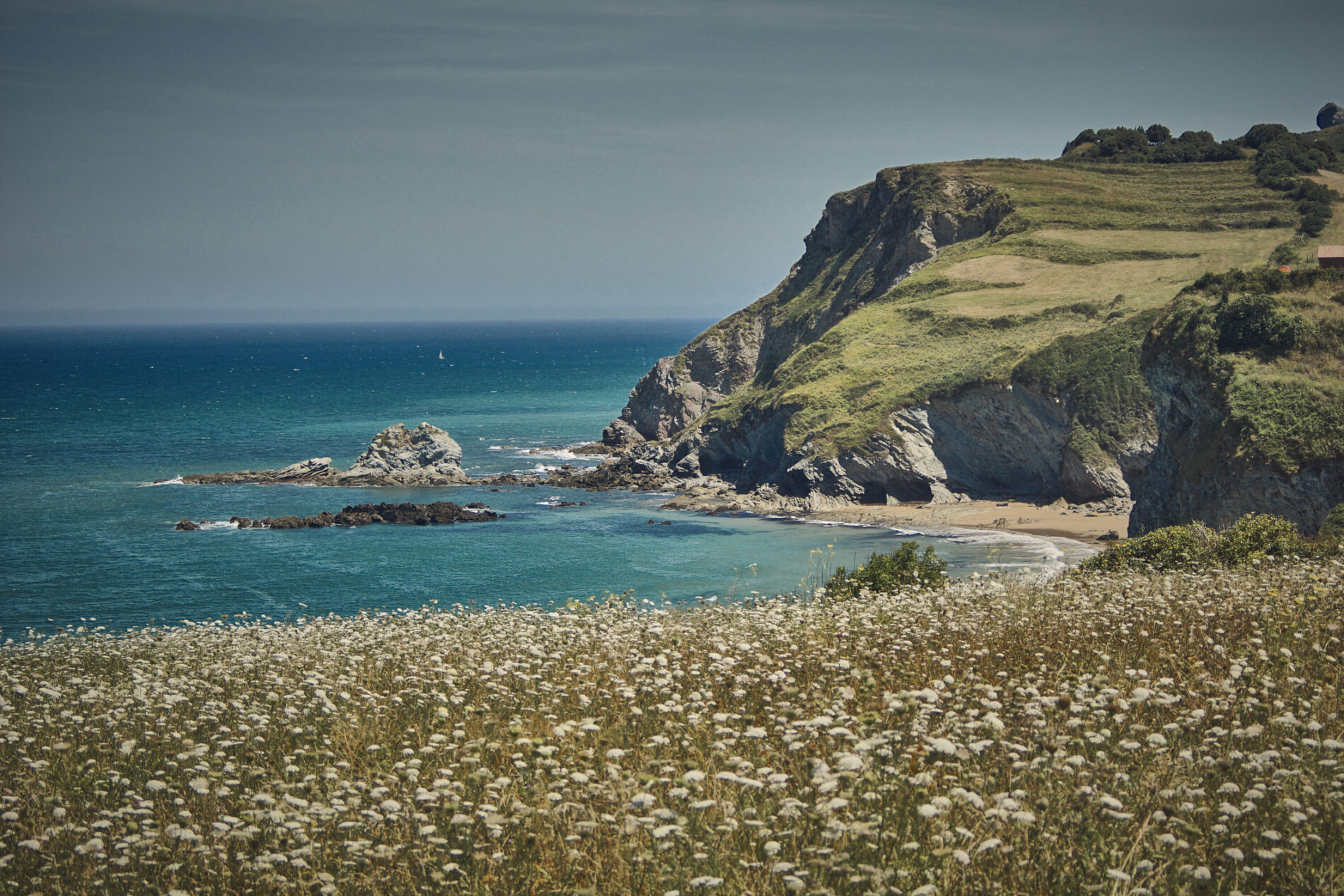
Cantabria is the only region in the Christian world that boasts two World Heritage pilgrimage routes recognized by UNESCO: The Lebaniego Way and The Northern Way.
Since the Middle Ages, the influx of pilgrims to this place has been recorded. They came to rest near the remains of the Saint, to whom curative and miraculous properties were attributed. People also journeyed there to venerate the Lignum Crucis (True Cross), which is why pilgrims on the Camino Lebaniego were known as “crucenos” or “Pilgrims of the Cross” – those who came to adore the Cross.
The Lebaniego Way
The Lebaniego Way
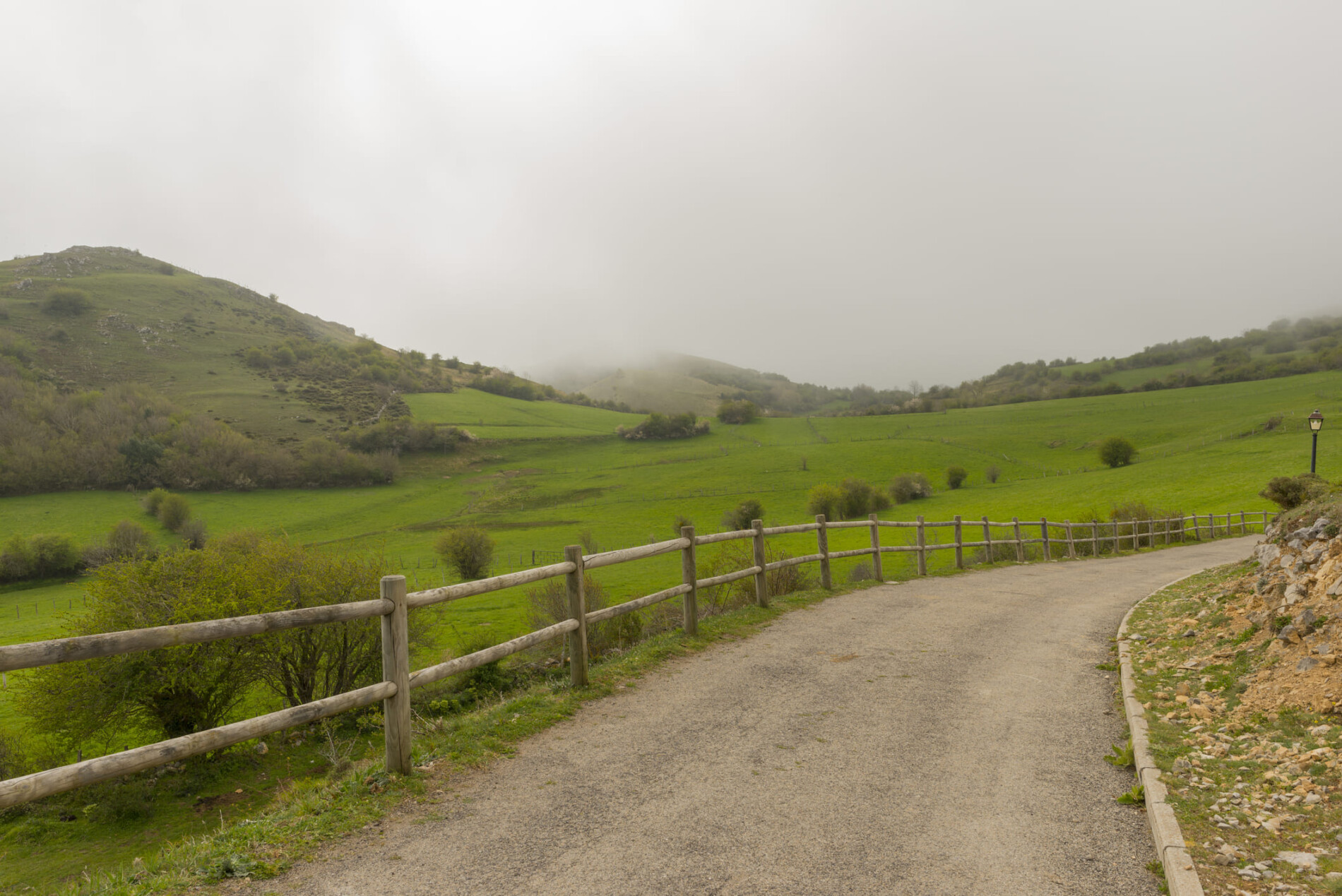
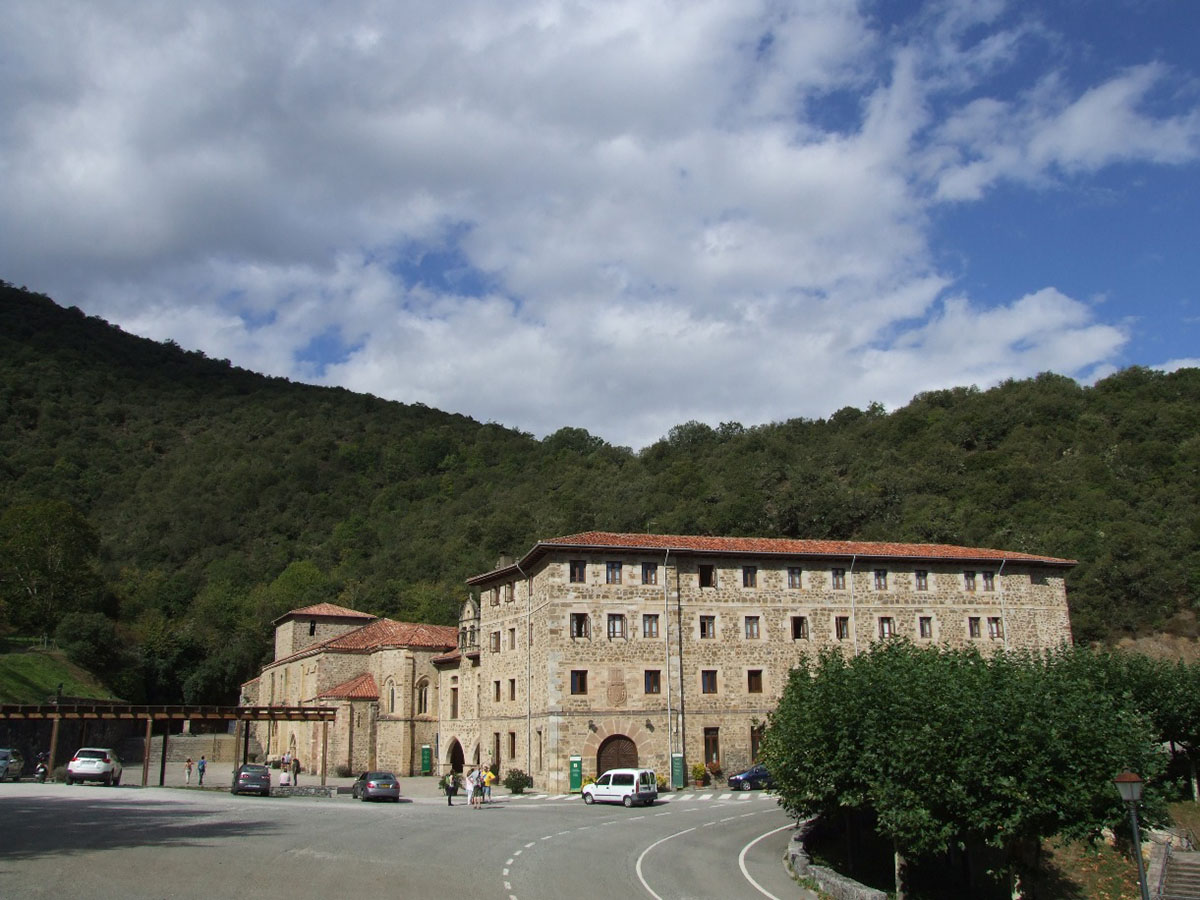
The Lebaniego Way runs from San Vicente de la Barquera to the Monastery of Santo Toribio, passing through the municipalities of San Vicente de la Barquera, Val de San Vicente, Herrerías, Lamasón, Peñarrubia, Cillorigo de Liébana, Potes, and Camaleño. It offers pilgrims a journey through outstanding natural landscapes of remarkable beauty, punctuated by some of the most significant examples of Cantabria’s architectural heritage.
The Northern Way
The Northern Way
One of the main Jacobean routes, the Northern Way (also known as the Coastal Way or Way of the Cantabrian Coast), crossed Cantabria from east to west, passing through the historic four coastal towns (Castro Urdiales, Laredo, Santander and San Vicente de la Barquera), as well as many other towns of historical and monumental significance, such as Santoña, Santillana del Mar, and Comillas.