

Chufín Cave
Category
Zona
Tags
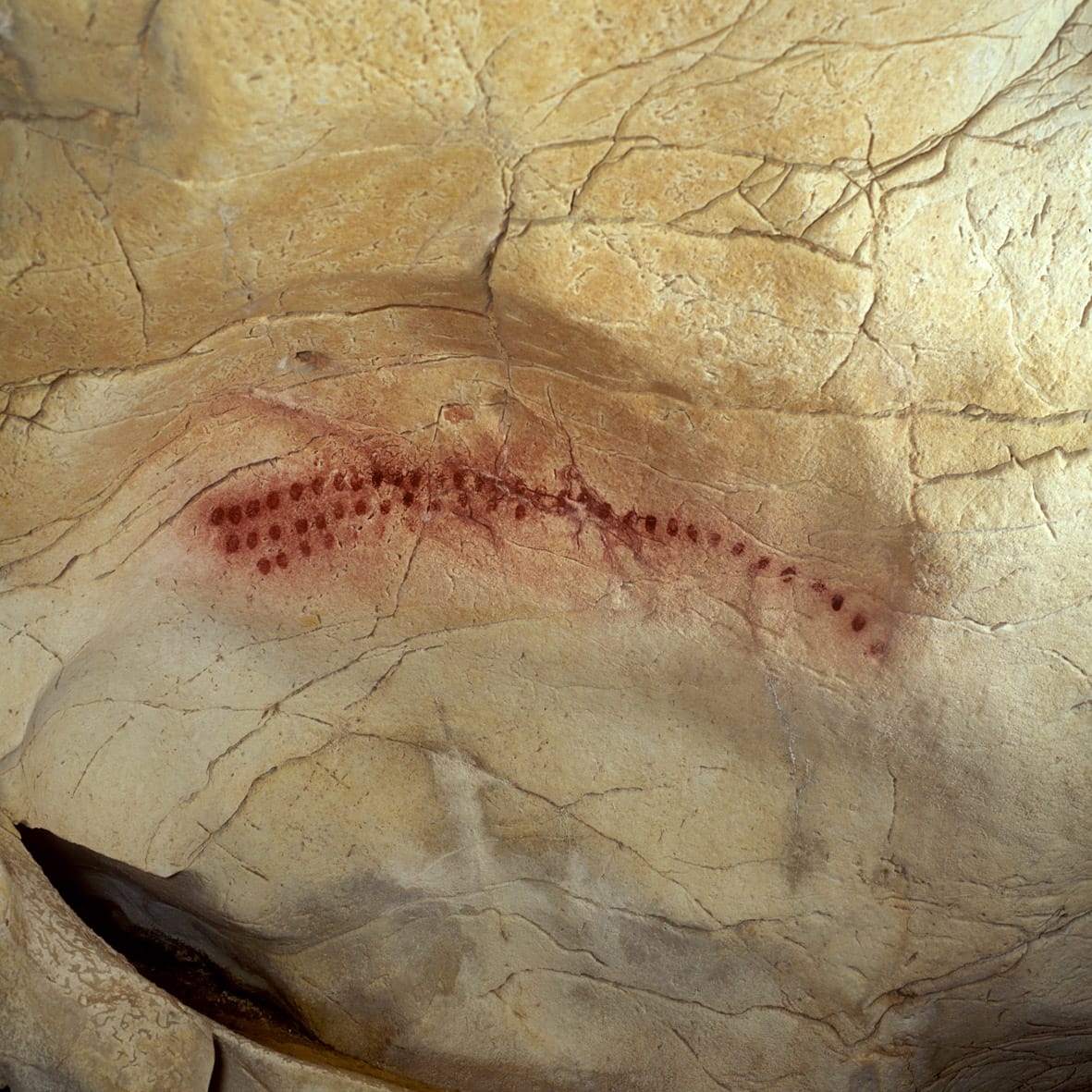
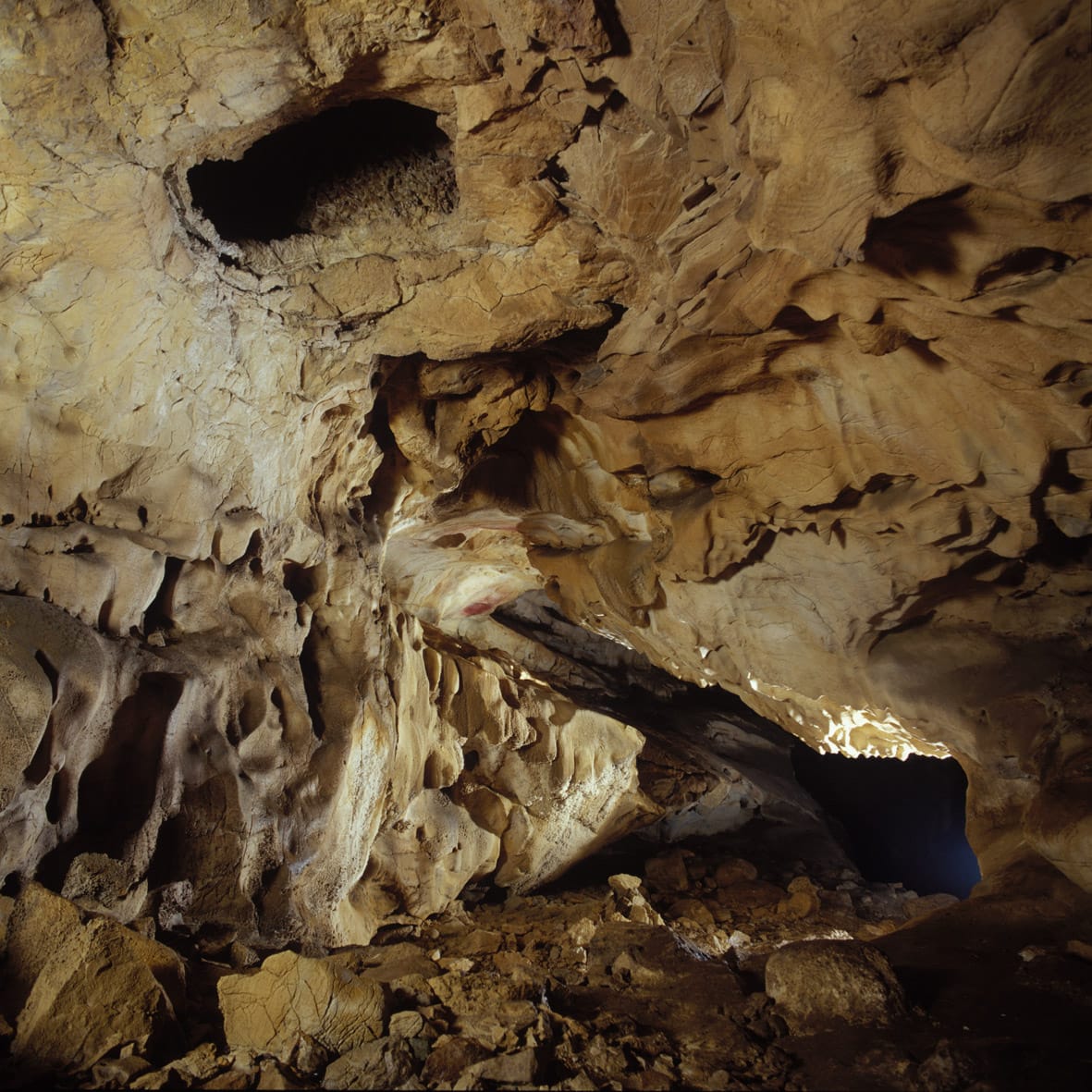
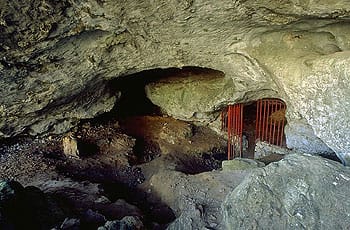
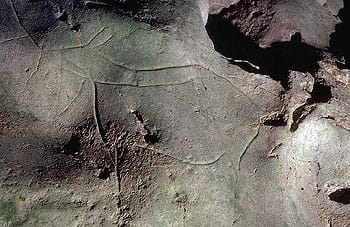
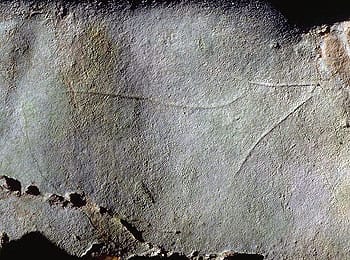
Access to the interior is gained by crawling for the first 4 meters—a tribute that visitors must pay to discover such a majestic estate. Some of its images were conceived with a certain erotic sense. Highlighting this is a potential female figure with prominent pubic hair and a vulva. Inside, your path will be limited by a stunningly beautiful underground lake.
Opening Hours
Easter 2025:
From April 17th to April 20th
– Thursday to Saturday 9:30 AM – 1:30 PM and 2:30 PM – 6:30 PM.
Tour sessions: 9:40 AM, 11:40 AM, 2:40 PM, and 4:40 PM.
– Sunday 9:30 AM – 2:30 PM.
Tour sessions: 9:45 AM and 12:00 PM.
The ticket office opens 10 minutes before each tour starts.
Maximum capacity per session: 6 people.
Peak Season:
From June 15th to September 15th
– Monday and Tuesday: CLOSED.
– Wednesday to Saturday 10:00 AM – 2:00 PM and 3:00 PM – 7:00 PM.
Tour sessions: 10:10 AM, 12:10 PM, 3:10 PM, and 5:10 PM.
– Sundays 10:00 AM – 3:00 PM.
Tour sessions: 10:15 AM and 12:30 PM.
The ticket office opens 10 minutes before each tour starts.
Maximum capacity per session: 6 people.
* Before purchasing tickets, please review the specific conditions and requirements for visiting the cave.
Rest of the Year:
CLOSED
Information & Bookings:
https://cuevas.culturadecantabria.com/
942 59 84 25
reservascuevas@culturadecantabria.es
Online Bookings: https://cuevas.culturadecantabria.com/chufin/
|
Estilo artístico |
Paleolithic cave art |
|
Acceso |
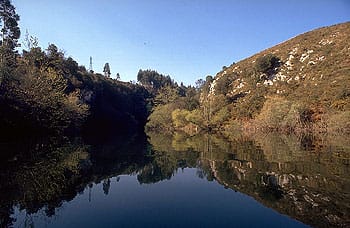
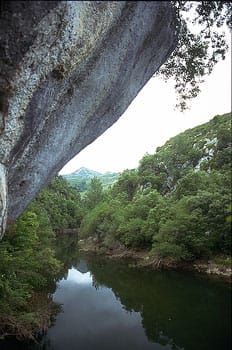
From the CA-181 highway, take the turn-off to the village of Riclones, just before reaching the village of Celis. Once there, you will find several signs directing you to the pedestrian access path leading to the cave entrance. GPS COORDINATES: 43°17’23″N, 4°27’18″W |
|
Época |
|
|
Características |
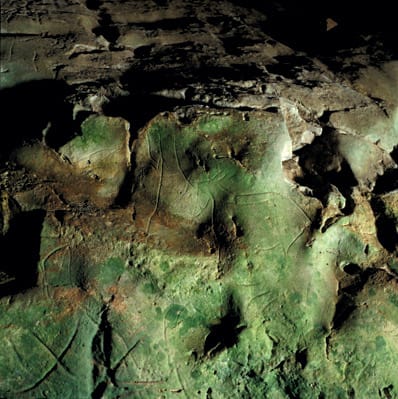
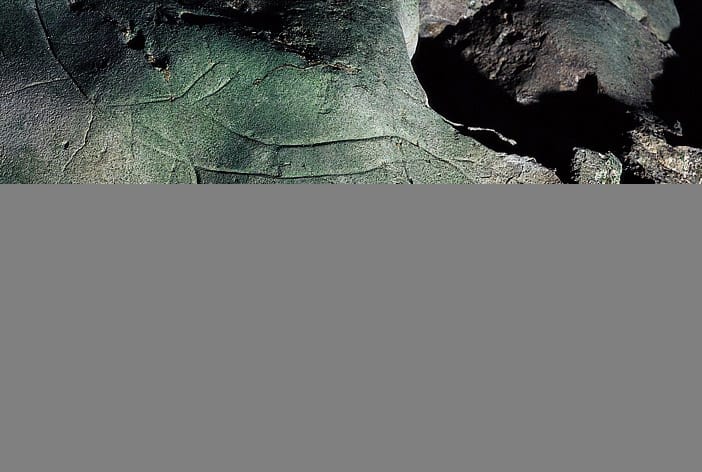
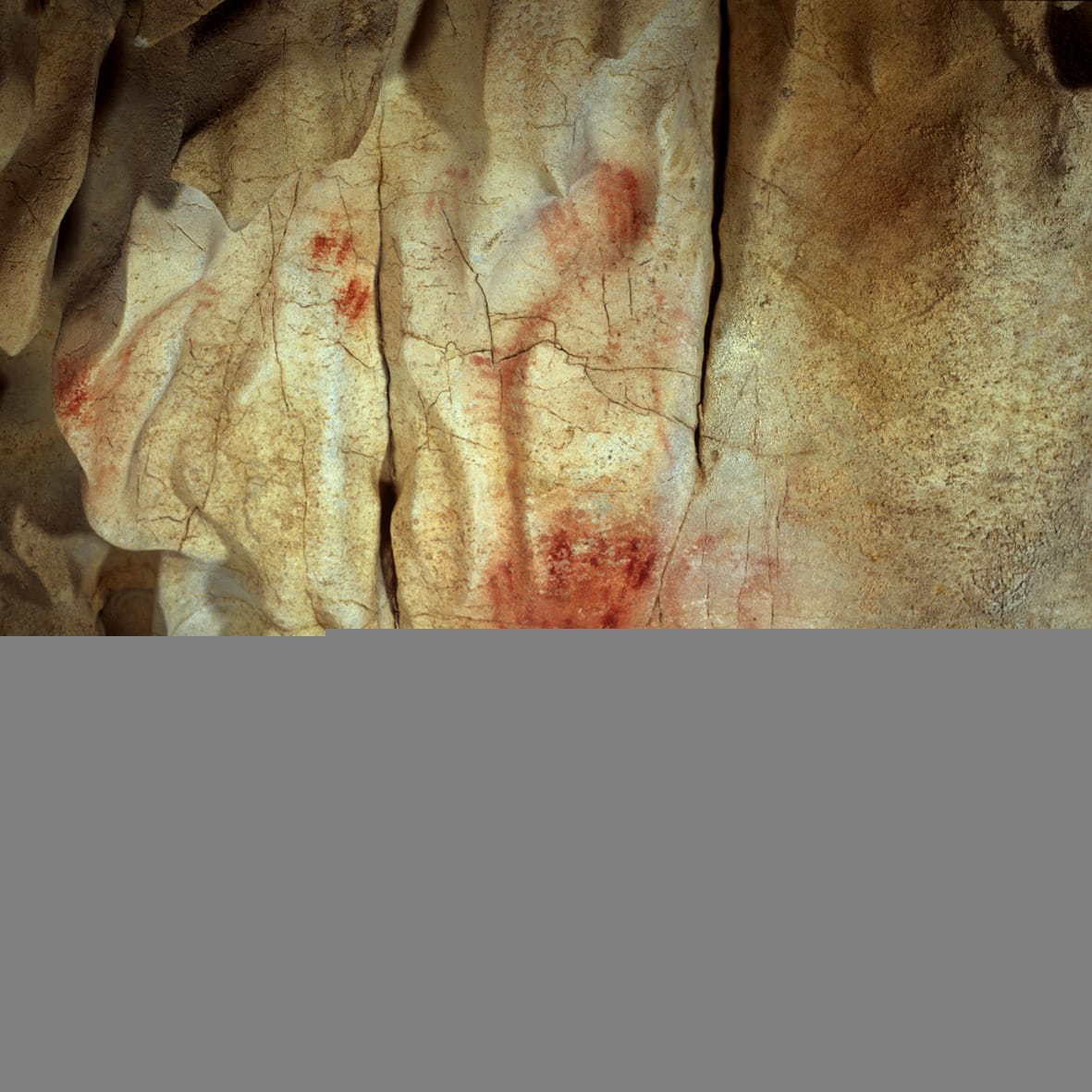
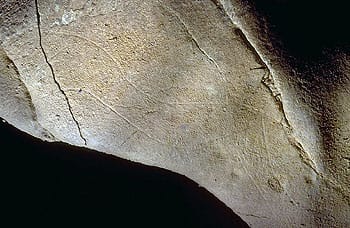
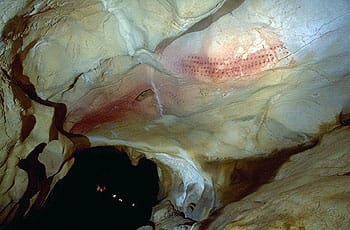
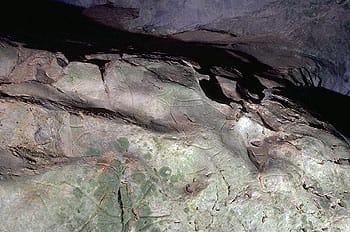
The Moro Chufín cave owes its name to a local legend about a character who allegedly hid a treasure inside. However, its true treasure lies in the red paintings decorating its high ceiling and the exterior engravings located in the vestibule—a rare feature in the rock art of the northern Iberian Peninsula. Its significance was recognized in 2008 when this cave complex was declared a UNESCO World Heritage Site.
|