
loader image

Covalanas Cave

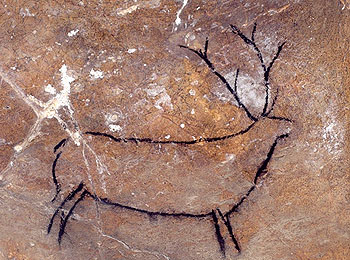
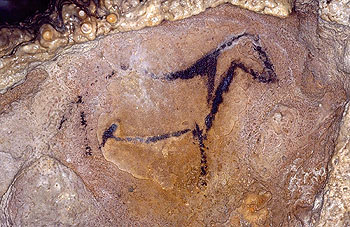
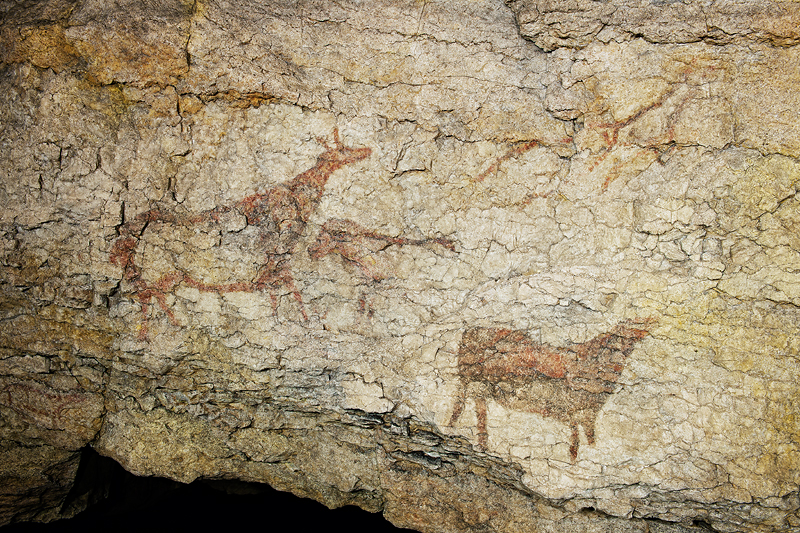
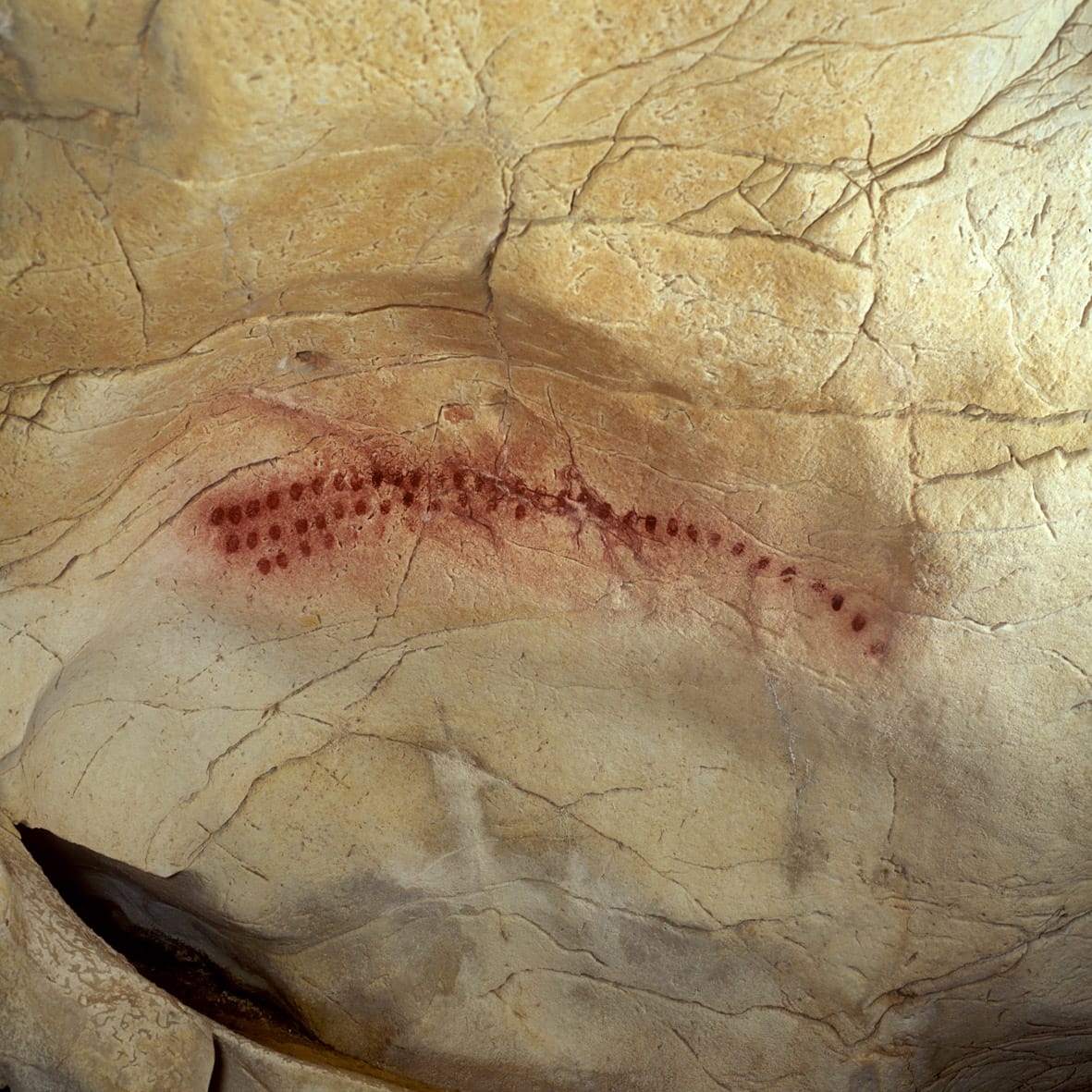
The technique used is dotting—also known as the baboso (slimy/smudged) stroke—which is also found inEl Pendo Cave. The depicted hinds, aurochs, and horse are exceptionally realistic and beautiful, as they are endowed with a sense of motion. Created 25,000 years ago, they represent the oldest examples of this pointillist art style, which consists of applying [...]

15/06/2026|

El Pendo Cave

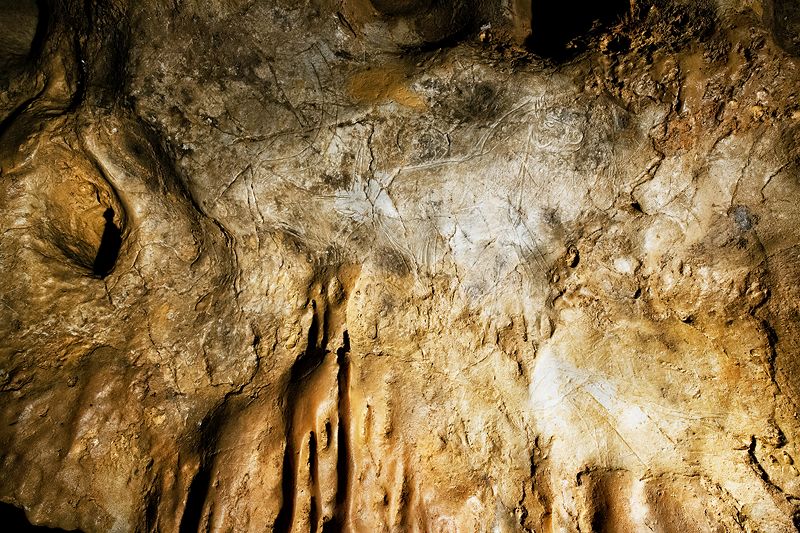
Prehistorians such as Marcelino Sanz de Sautuola (discoverer of the Altamira paintings), Jesús Carballo (founder of the current Museum of Prehistory and Archaeology of Cantabria), and Julio Martínez Santa-Olalla excavated the cave, discovering numerous bone and antler tools finely decorated, such as the so-called 'batons of command' (bastones de mando). The earliest occupations occurred 84,000 [...]

15/06/2026|

La Pasiega Cave

The cave originally had up to six small entrances, two of which are preserved today: one provides access to Galleries A, B, and D, while the other leads to Gallery C. The rest were sealed off. Gallery A is linear and roughly 70 meters long, ending in a very narrow side passage. Gallery B [...]

15/06/2026|

Chufín Cave

Access to the interior is gained by crawling for the first 4 meters—a tribute that visitors must pay to discover such a majestic estate. Some of its images were conceived with a certain erotic sense. Highlighting this is a potential female figure with prominent pubic hair and a vulva. Inside, your path will be limited [...]
15/06/2026|

Altamira Cave

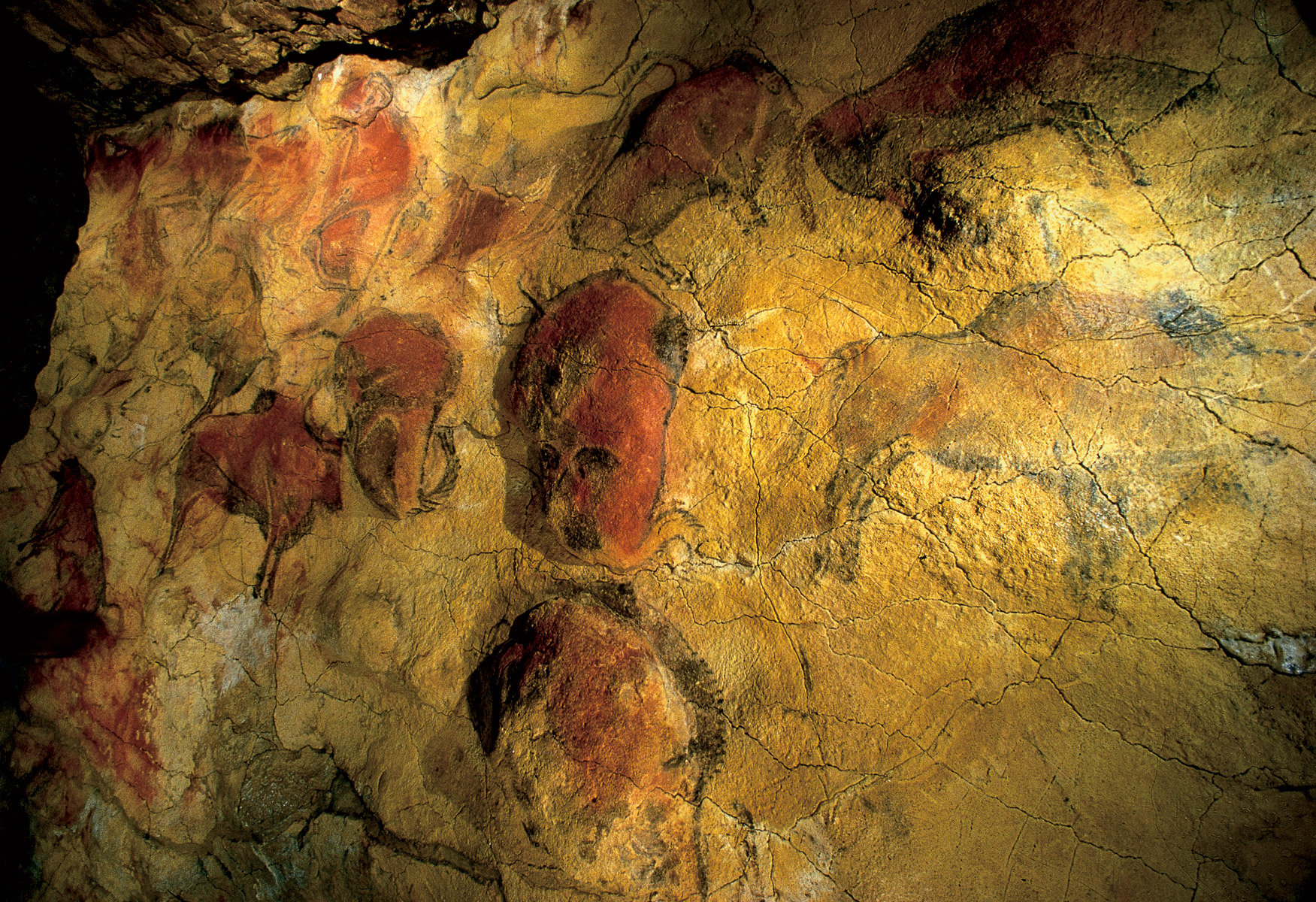
The cavity was discovered in 1875 by M. Sanz de Sautuola, who carried out excavations inside it. Furthermore, between 1875 and 1879, he found the large black quadrangular signs at the back of the cave. In 1879, during Sautuola's excavations, his daughter María discovered the famous polychromes. In 1880, Sautuola published the results of [...]

15/06/2026|

El Castillo Cave

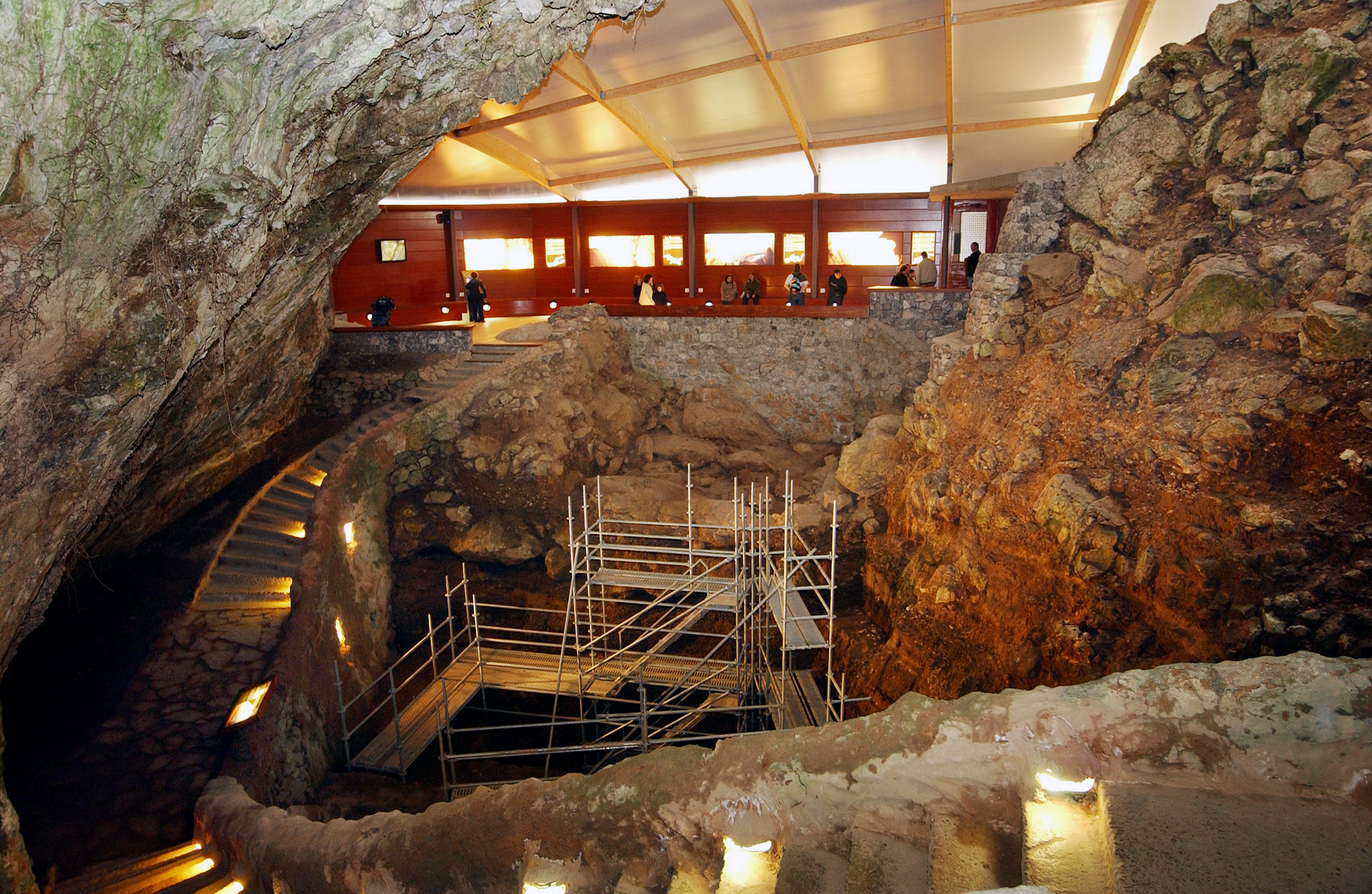
Its archaeological site, located in the vestibule, contains evidence of human presence spanning the last 150,000 years, which allowed German archaeologist Hugo Obermaier to establish the cultural sequence of the four main periods into which Prehistory is divided. Stratum 18c is internationally renowned for containing archaeological evidence of a possible coexistence between the last Neanderthals [...]

15/06/2026|

Las Chimeneas Cave

Las Chimeneas Cave was discovered in 1953 by a team of road workers from the Regional Council (Diputación Regional) who, under the direction of A. García Lorenzo, were building the access road to El Castillo and La Pasiega caves. The discovery was published in 1956 by J. González Echegaray. In the original vestibule, a few [...]

15/06/2026|

Las Monedas Cave

Twelve thousand years ago, the last hunter-gatherers who inhabited the Cantabrian Cornice used charcoal to sketch inside a small chamber. They depicted the final cold-climate animals to live in this region before their extinction, such as reindeer and a bison, alongside ibexes and horses. As they journey through the interior, visitors will be amazed by [...]

15/06/2026|

La Garma Cave

In the early 1990s, following the discovery of the nearby La Garma B Cave, members of the G.E.I.S. Carballo/Raba group located the entrance and the archaeological site of the upper level of La Garma A. In 1996, during archaeological excavations in the upper level's vestibule—directed by P. Arias and R. Ontañón—two team members, J. M. [...]

15/06/2026|
Go to Top