

Cantabria from Above… Without Boarding a Plane
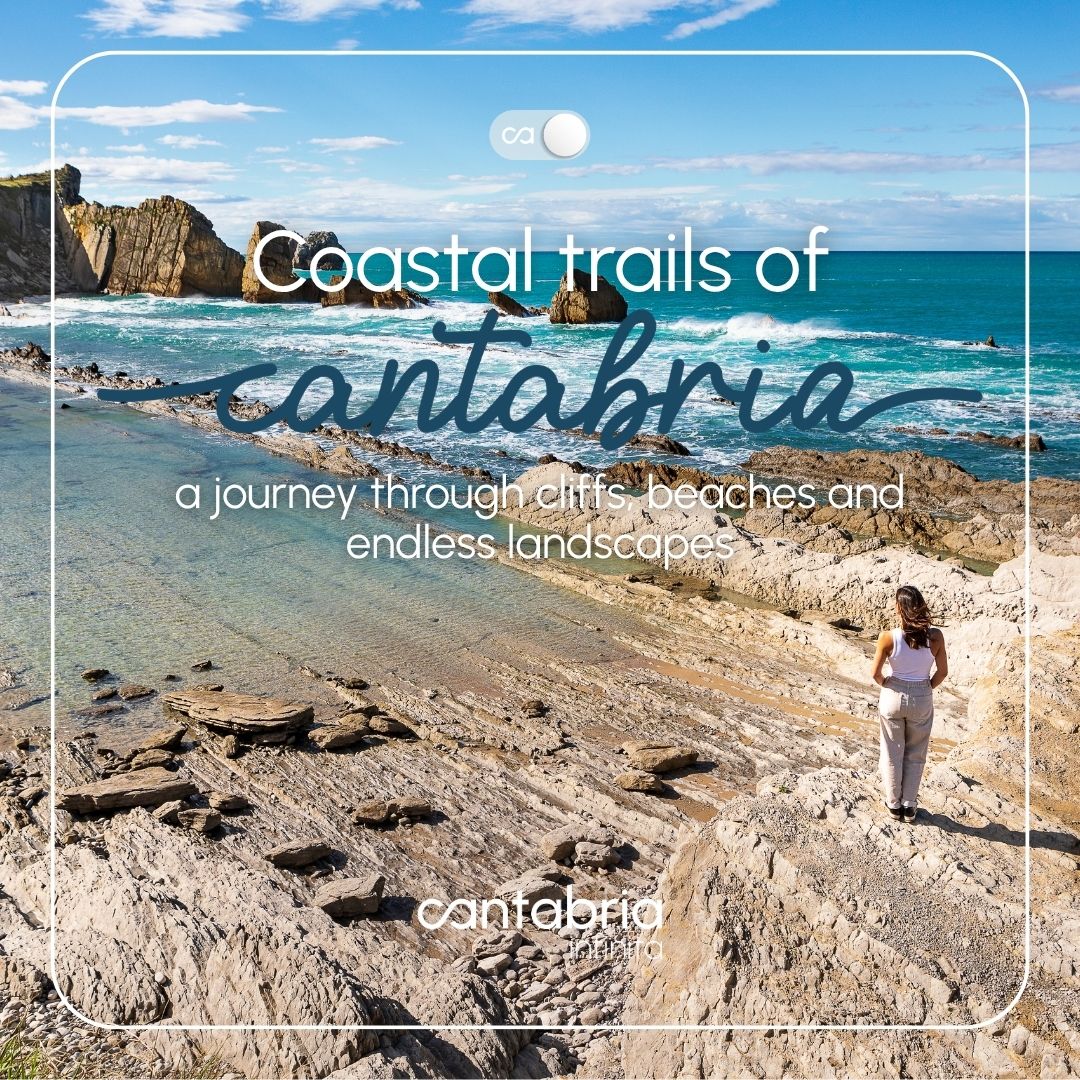
Discover Cantabria's most beautiful coastal trails, from the dramatic cliffs of Costa Quebrada to the dunes of Liencres and the historic paths of Santoña. An unforgettable journey through nature, sea and heritage.
Fuente Dé: A Journey into the Heart of the Picos de Europa
Let’s start at the top! In Fuente Dé, in the Liébana region, the cable car climbs an impressive height in just four minutes, reaching the upper station of El Cable, more than 1,800 metres above sea level.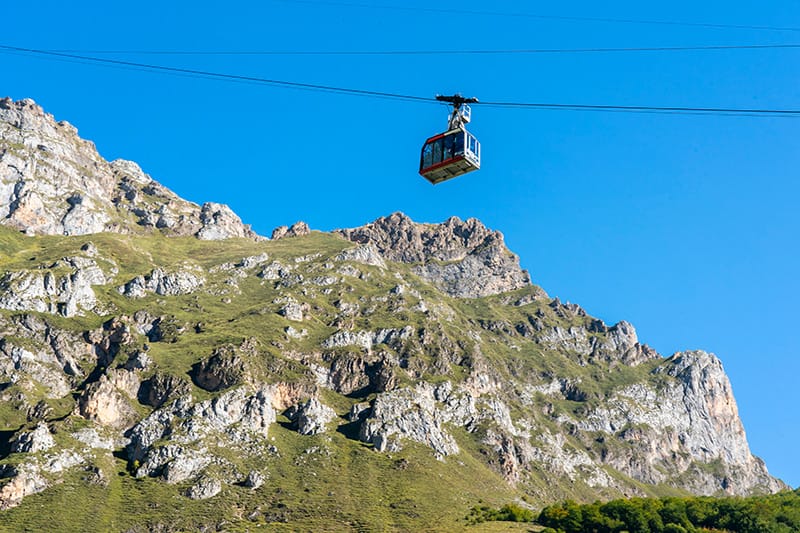
At the top, an unforgettable landscape awaits. You’re right in the heart of the Picos de Europa National Park, surrounded by rocky peaks, towering mountains and seemingly endless horizons.
The Fuente Dé Cable Car is an experience in itself. But reaching the upper station also opens the door to a variety of mountain walks and hiking trails, all offering spectacular panoramic views.
And the best part? The landscape is never quite the same. Vegetation, sunlight, clouds and even snow transform the scenery throughout the year.
Travel tip: Weather conditions can change quickly in the mountains. Before setting off, always check the cable car’s operating status, opening times and latest information on the official Fuente Dé website.
Cantabria’s Lighthouses: Balconies Overlooking the Cantabrian Sea
Few places capture the feeling of standing high above the sea quite like a lighthouse. And Cantabria’s coastline is home to nine lighthouses you won’t want to miss.
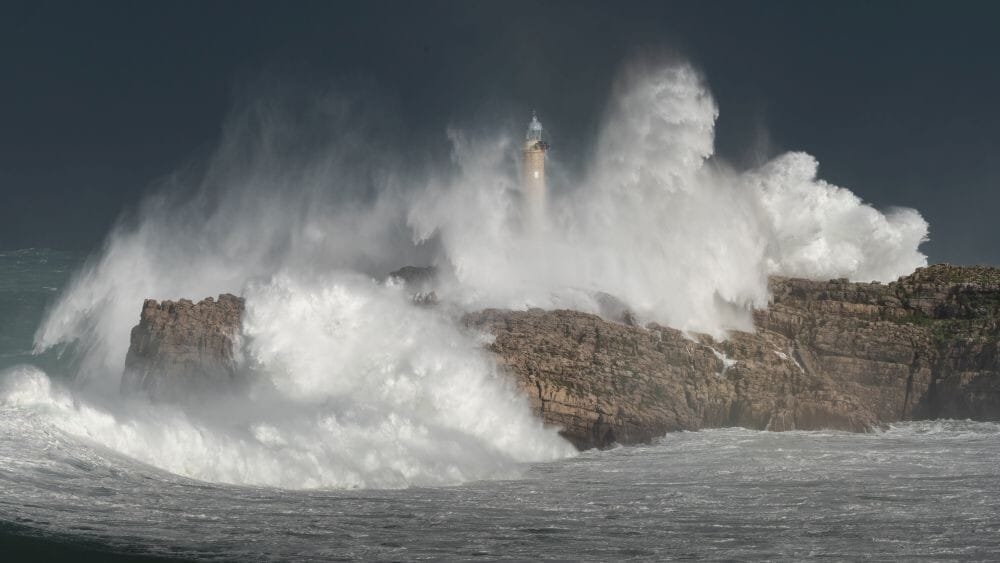 One of the most spectacular coastal settings can be found in Santander, around Cabo Mayor, where meadows and dramatic cliffs open up to breathtaking views of the Cantabrian Sea.
Further east, Monte Buciero in Santoña offers an extraordinary combination of nature, maritime history, woodland and rocky cliffs. This remarkable setting reveals some of Cantabria’s most distinctive coastal landscapes, including the spectacular Caballo Lighthouse. However, the lighthouse can currently only be admired from the sea, as public access remains closed.
Another must-see is the coastline around Ajo. Here, Cantabrian artist Okuda San Miguel transformed the lighthouse into a colourful work of art celebrating the region’s wildlife, using more than a hundred different colours. Surrounded by imposing cliffs, it’s another wonderful place to admire one of Cantabria’s greatest natural treasures: the sea.
The views here change almost constantly. Tides, sea conditions, clouds and light can turn the same location into a completely different landscape.
Costa Quebrada’s Cliffs: Geology with a Sea View
Between Santander and Suances stretches one of Cantabria’s most extraordinary landscapes: Costa Quebrada UNESCO Global Geopark.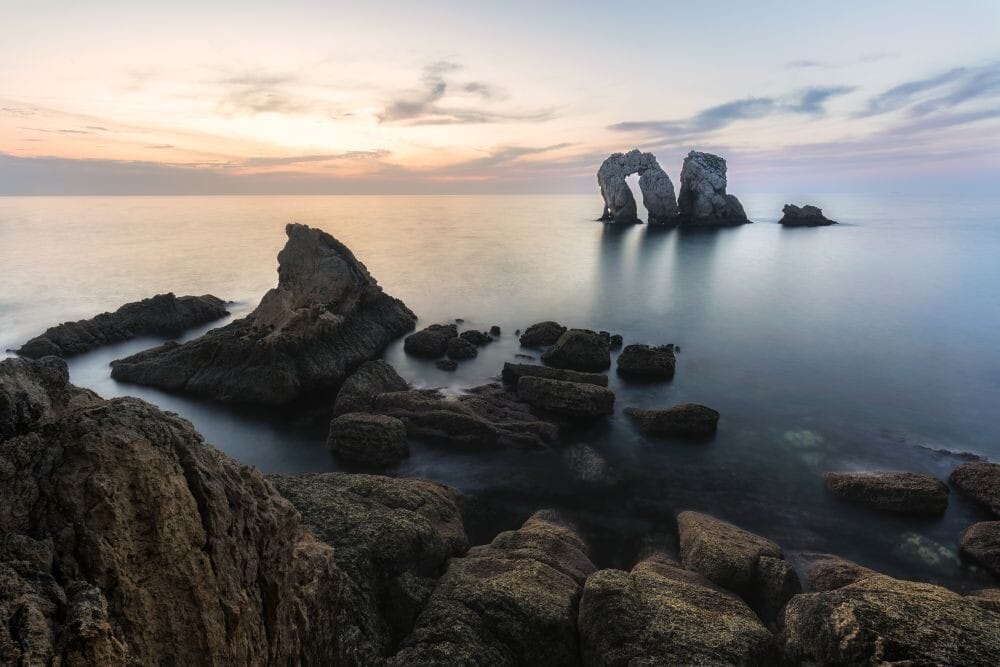
Over millions of years, erosion has shaped a coastline of cliffs, natural arches, rocky islets, coves, beaches and remarkable geological formations. Exploring this area is like stepping into an open-air geology lesson.
But you don’t need to be a geology expert to be amazed.
Visiting different locations across Costa Quebrada’s eight municipalities allows you to admire the Cantabrian Sea from numerous elevated viewpoints and discover how the coastline changes with the tides.
It’s also a paradise for photography lovers. Sunrises, sunsets and ever-changing skies can make every visit feel completely different.
Mountain Passes: Cantabria from the Road
Not every spectacular panorama requires hours of hiking.
Cantabria’s mountain roads wind through exceptional landscapes, allowing visitors to gain altitude while discovering the region’s deeply rooted rural character.
San Glorio, near Liébana; Palombera, connecting Campoo with the Cabuérniga Valley; and mountain passes such as La Braguía and Estacas de Trueba in the Pasiego Valleys are wonderful examples of routes where the journey itself becomes part of the experience.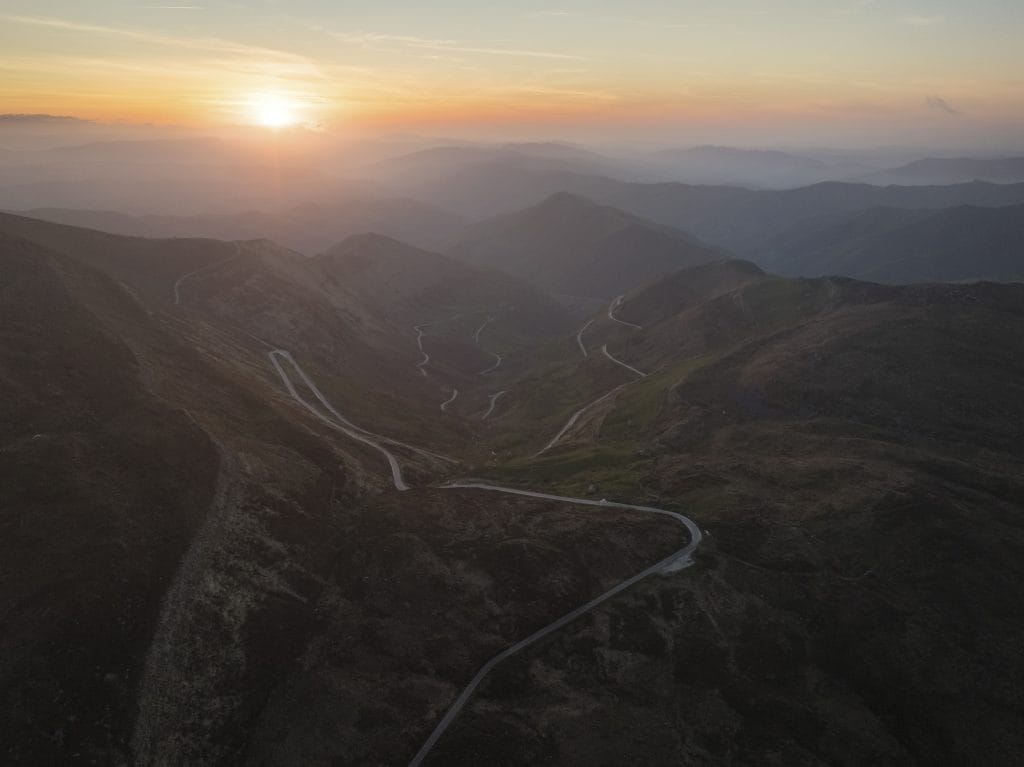
Forests, valleys, mountains and small villages appear along the way, reminding us that sometimes the journey is just as rewarding as the destination.
Travel tip: Before setting off on a mountain drive, check road conditions and the weather forecast, especially when adverse conditions are expected.
Castles with a View: Discovering Cantabria Through Its History
Our ancestors also sought out elevated locations. Their reasons were mainly defensive and strategic, but centuries later, some of these historic sites offer magnificent views.
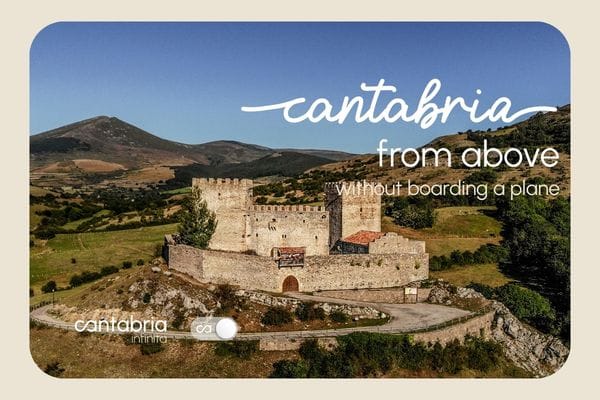
Argüeso Castle, in Hermandad de Campoo de Suso, stands surrounded by the beautiful landscapes of Campoo, offering a wonderful combination of heritage and nature.
Along the coast, other fascinating landmarks await. The King’s Castle in San Vicente de la Barquera occupies a privileged position overlooking one of Cantabria’s best-known fishing towns. Meanwhile, in Castro Urdiales, historic architecture, the harbour and the Cantabrian Sea come together in a spectacular setting.
These places remind us that Cantabria’s best views aren’t always found at designated viewpoints. Sometimes, they’ve been waiting for centuries behind the walls of a fortress.
Natural Viewpoints: When the Landscape Speaks for Itself
And then there are those places where all you need to do is stop and look.
Cantabria is home to countless natural viewpoints that reveal the extraordinary diversity of its landscapes at a glance.
One of the most spectacular is the Santa Catalina Viewpoint in Peñarrubia. Overlooking the La Hermida Gorge, it offers breathtaking views of the limestone cliffs surrounding the River Deva and the mountains that mark the approach to the Picos de Europa.
In Liébana, the Mirador del Corzo, on the road towards the San Glorio mountain pass, provides sweeping views of the mountains and valleys of one of Cantabria’s most distinctive regions. Nearby, the roads winding through Liébana reveal countless other places to admire the surrounding peaks.
Closer to the coast, Peña Cabarga offers a completely different perspective. From its elevated position, visitors can admire Santander Bay, the city, much of the coastline and the mountains stretching inland.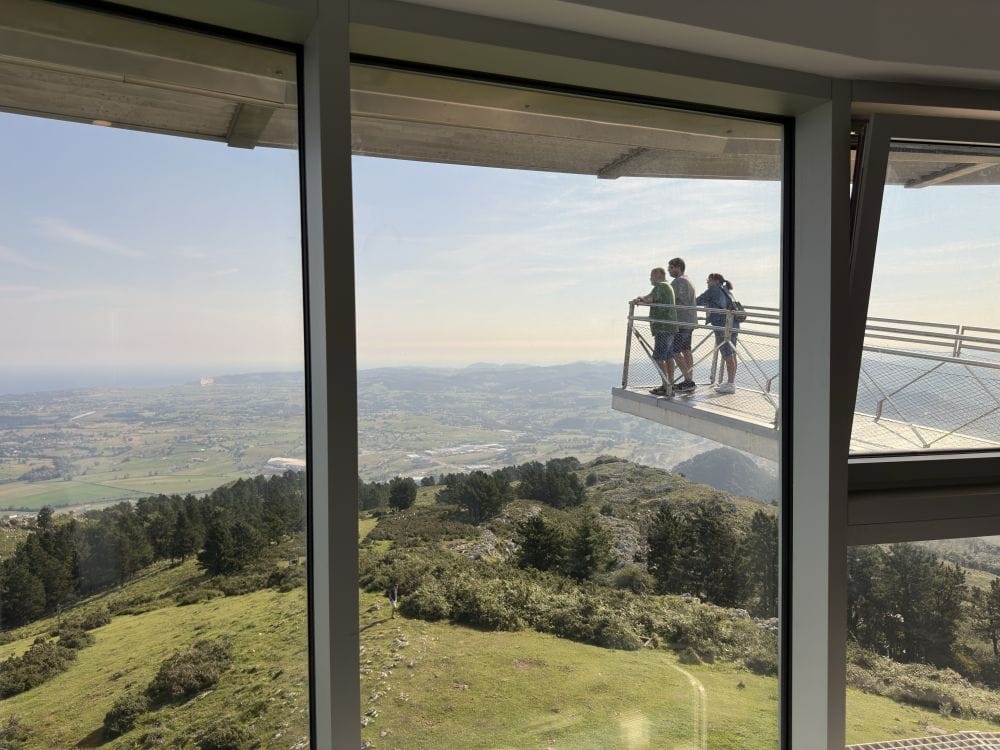
Further east, the Bien Aparecida Viewpoint in Ampuero offers wonderful views over the Asón Valley and its surrounding mountains.
These are just a few examples. In Cantabria, a viewpoint isn’t simply somewhere to reach. It can become the perfect excuse to explore a valley, cross a mountain pass or take an unexpected detour to discover a completely new perspective.
Cantabria Looks Different from Above
The sea and mountains are separated by surprisingly short distances. And that’s what makes searching for Cantabria’s best viewpoints such a wonderful way to explore the entire region.
One day, you can admire the peaks of the Picos de Europa. The next, you can walk beside a lighthouse overlooking the Cantabrian Sea.
You can discover a landscape from a medieval castle, drive through a mountain pass or contemplate millions of years of geological history from the top of a coastal cliff.
And every season brings something different.
Perhaps one of the best ways to truly understand Cantabria is simply to see it from above.
All you have to do is choose a place, look up and let Cantabria do the rest.
What did you think of this journey through Cantabria’s heights? Have you visited any of these places? Is there somewhere you’d like to add?
Share your experiences with us on Facebook, X and Instagram using #ShareCantabria.
Because Cantabria is calling!