

Hornos de la Peña Cave
Category
Zona
Tags
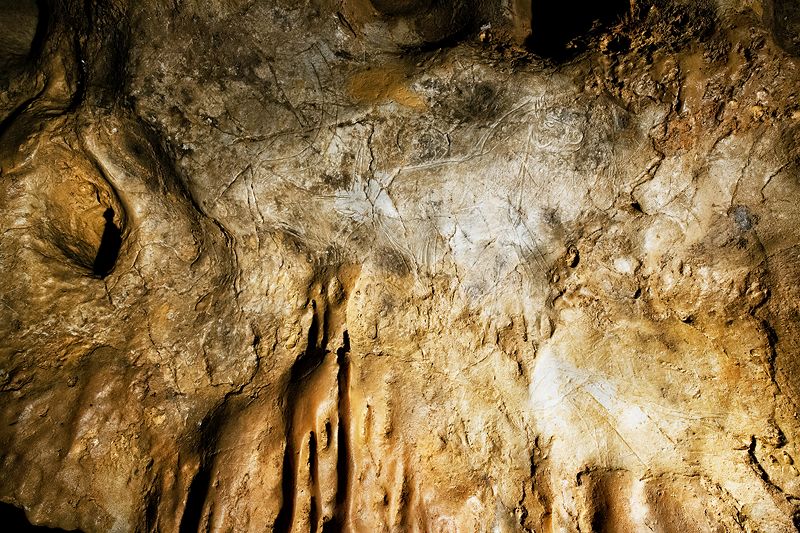
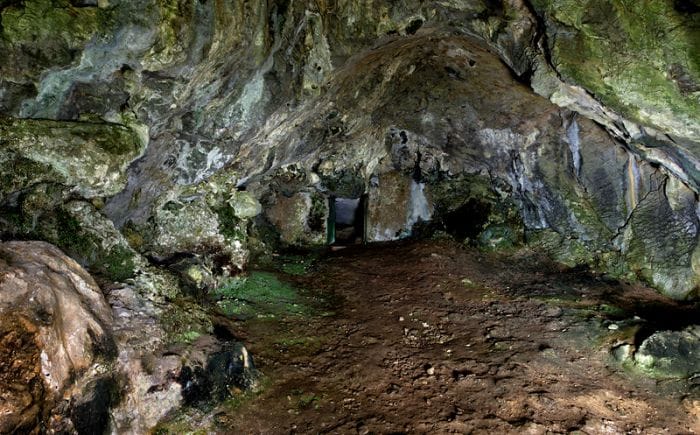
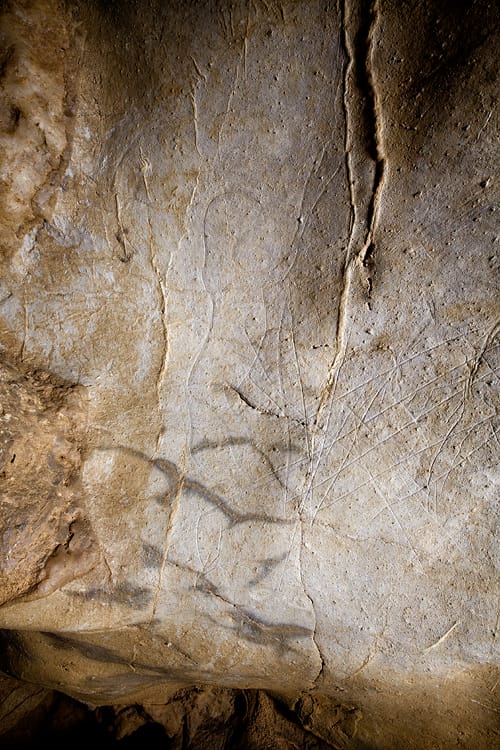
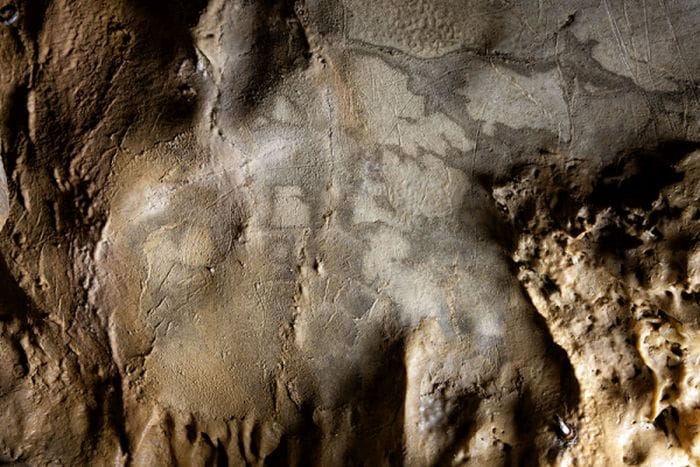
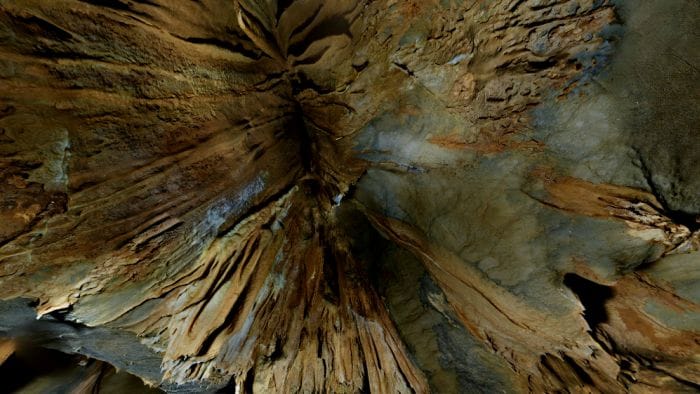
Among its cave art complex, an engraved horse on the exterior stands out for its great antiquity, being one of the few outdoor engravings still preserved along the Cantabrian Coast. Walking inside through a narrow, low corridor will transport you to another time; led by the guide acting as a shaman, you will reach the final chamber where most of the images are concentrated, dating back around 15,500 to 13,000 years ago. Aside from the depictions of horses, goats, aurochs, and bisons, a striking naked human figure with raised arms stands out. Its combination with animal features links it to shamanic and religious practices.
Closed: January 1st and 6th, and December 24th, 25th, and 31st.
Low Season:
From October 21st to February 28th
– Monday CLOSED.
– Tuesday to Sunday 10:00 AM – 2:00 PM.
Tour sessions: 10:05 AM, 11:05 AM, 12:05 PM, and 1:05 PM.
The ticket office opens 10 minutes before each tour starts.
Maximum capacity per session: 4 people.
Mid Season:
From March 1st to June 14th & September 16th to October 20th
– Monday CLOSED.
– Tuesday to Sunday 10:00 AM – 1:00 PM.
Tour sessions: 10:10 AM, 11:10 AM, and 12:10 PM.
The ticket office opens 10 minutes before each tour starts.
Maximum capacity per session: 4 people.
Peak Season:
From June 15th to September 15th
– Monday CLOSED.
– Tuesday to Sunday 10:30 AM – 1:30 PM.
Tour sessions: 10:40 AM, 11:40 AM, and 12:40 PM.
Information & Bookings:
942 59 84 25
reservascuevas@culturadecantabria.es
Online Bookings: www.cuevas.culturadecantabria.com/hornos.asp
|
Estilo artístico |
Paleolithic cave art |
|
Acceso |
It is necessary to reach the town of San Felices de Buelna (CA-170), where you take a road at Barrio de Rivero that leads to Barrio de Tarriba. From there, follow a track that leads to Monte Tejas. After 1.7 km, the Peña de los Hornos—where the cave is located—will appear on your left GPS COORDINATES: 43°15’40″N, 4° 1’54″W |
|
Época |
|
|
Características |
Neighboring the El Castillo Mountain caves, this cavern is renowned for its rock engravings. It was declared a UNESCO World Heritage Site in 2008. Its vestibule served as a dwelling for the last Neanderthal groups to populate the northern Peninsula and the first Homo Sapiens to inhabit Cantabria. It is the only cave with rock art open to the public where engravings can be seen.
|