
loader image

Cueva de Altamira

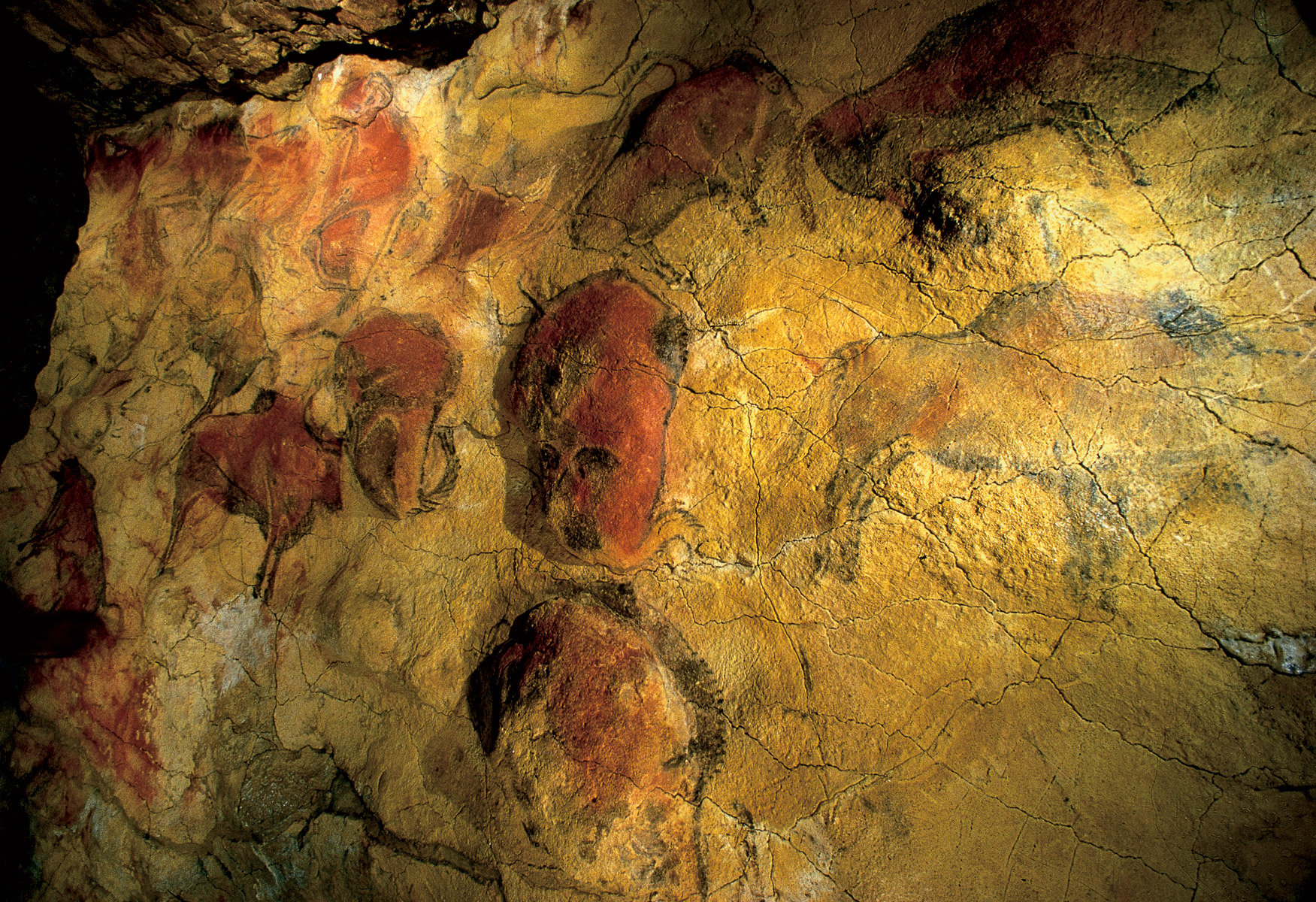
La cavidad fue descubierta, en 1875, por M. Sanz de Sautuola, quién practicó excavaciones en la misma. Así mismo, halló los grandes cuadrangulares negros del fondo de la cueva, entre 1875-1879. En 1879, y durante las excavaciones de Sautuola, su hija María descubrió los famosos policromos. En 1880, Sautuola da a conocer los resultados de [...]

15/06/2026|

Cueva de El Castillo

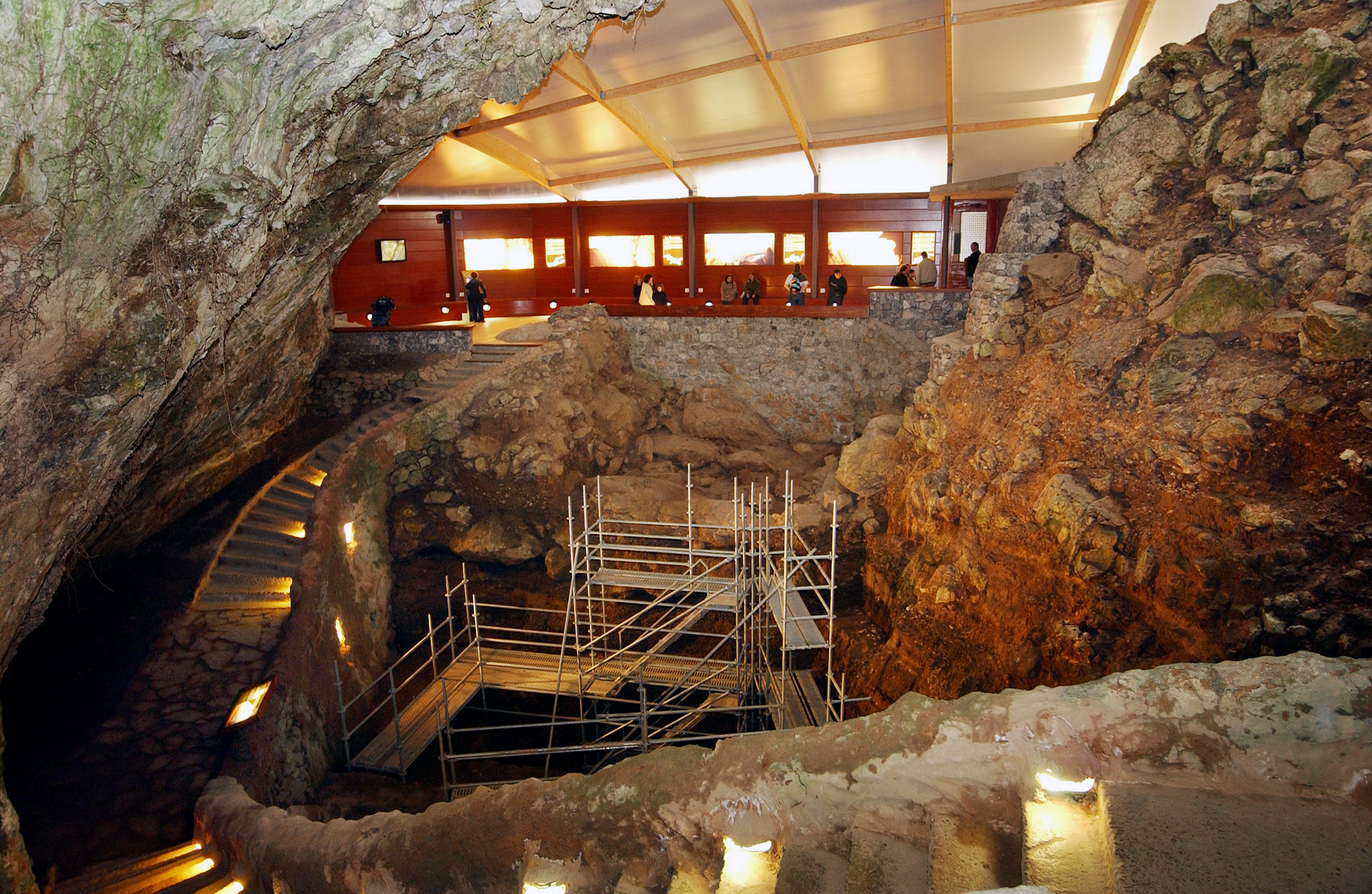
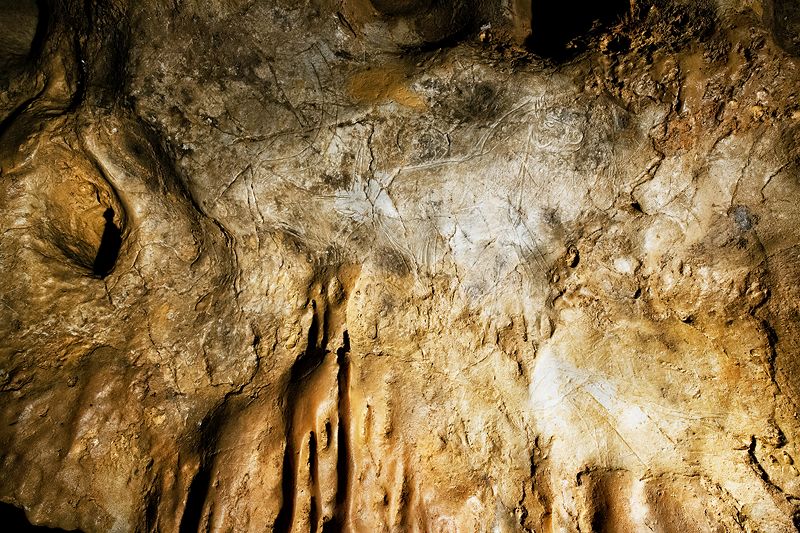
Su yacimiento arqueológico, situado en el vestíbulo, contiene evidencias humanas de los últimos 150.000 años, lo que permitió al arqueólogo alemán Hugo Obermaier establecer la secuencia cultural de los cuatro periodos en los que se divide la Prehistoria. El estrato 18c es conocido a nivel internacional por contener evidencias arqueológicas de una posible convivencia [...]

15/06/2026|

Cullalvera Cave

Although the cave contains rock art, it is not included in the tour because it is located between 600 and 1,200 meters deep, and because its karst system remains active with underground water streams. In fact, on heavy rainy days, the river gushes back from its depths, flowing beneath the 150-meter footbridge that visitors cross [...]

15/06/2026|

Covalanas Cave

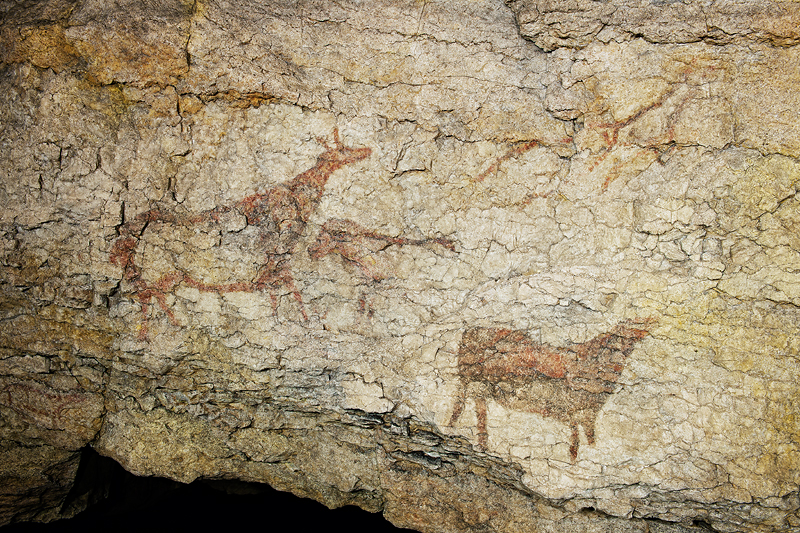
The technique used is dotting—also known as the baboso (slimy/smudged) stroke—which is also found inEl Pendo Cave. The depicted hinds, aurochs, and horse are exceptionally realistic and beautiful, as they are endowed with a sense of motion. Created 25,000 years ago, they represent the oldest examples of this pointillist art style, which consists of applying [...]

15/06/2026|

El Pendo Cave

Prehistorians such as Marcelino Sanz de Sautuola (discoverer of the Altamira paintings), Jesús Carballo (founder of the current Museum of Prehistory and Archaeology of Cantabria), and Julio Martínez Santa-Olalla excavated the cave, discovering numerous bone and antler tools finely decorated, such as the so-called 'batons of command' (bastones de mando). The earliest occupations occurred 84,000 [...]

15/06/2026|
Go to Top