

Sopeña Cave (Salitre II)
Category
Zona
Ubicación
Tags
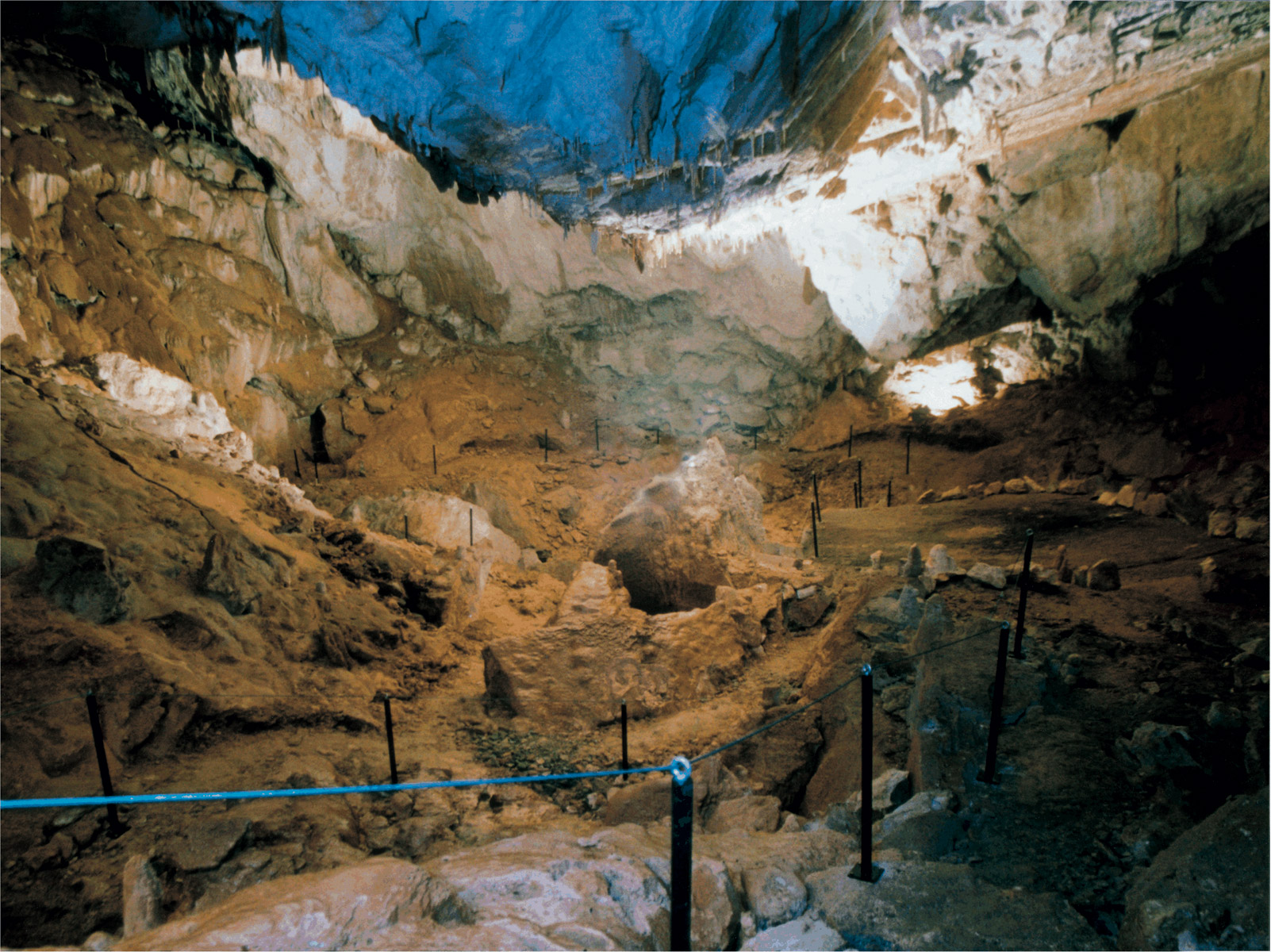
Between 30,000 and 10,000 years ago, groups of hunter-gatherers frequented the upper basin of the Miera River. Typically during the summer, the Paleolithic inhabitants of Cantabria would climb up to the rugged massifs of Miera to hunt Iberian ibex. The Miera River and its tributaries offered an abundance of salmon and trout. The fruit of these visits are the major remains documented in the caves of El Rascaño, El Puyo, and, most notably, El Salitre. In addition to serving as a shelter, El Salitre was used as a rock art sanctuary during the Solutrean period (around 18,000 years ago) and the Magdalenian period (around 15,000 years ago).
Opening Hours:
- Winter Season: The venue is closed on Mondays; it is open on Tuesdays, Wednesdays, and Thursdays from 9:30 AM to 1:30 PM, and on Fridays, Saturdays, Sundays, and holidays from 10:00 AM to 6:00 PM, with the last admission 30 minutes before closing.
- Summer Season (From July 1st to October 31st): The venue is closed on Mondays; it is open on Tuesdays, Wednesdays, and Thursdays from 10:00 AM to 2:00 PM, and on Fridays, Saturdays, Sundays, and holidays from 10:00 AM to 2:00 PM and from 4:00 PM to 8:00 PM, with the last admission 30 minutes before closing.
Information & Bookings: +34 674012391

|
Estilo artístico |
Prehistoric |
|
Acceso |
From the Miera church, drive up 3 km following the signs.. |
|
Época |
|
|
Características |
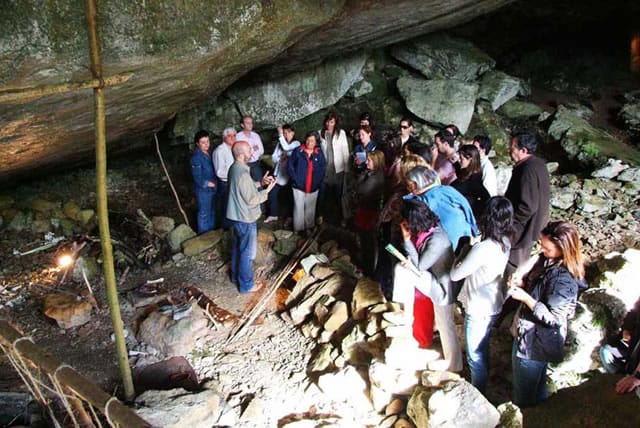
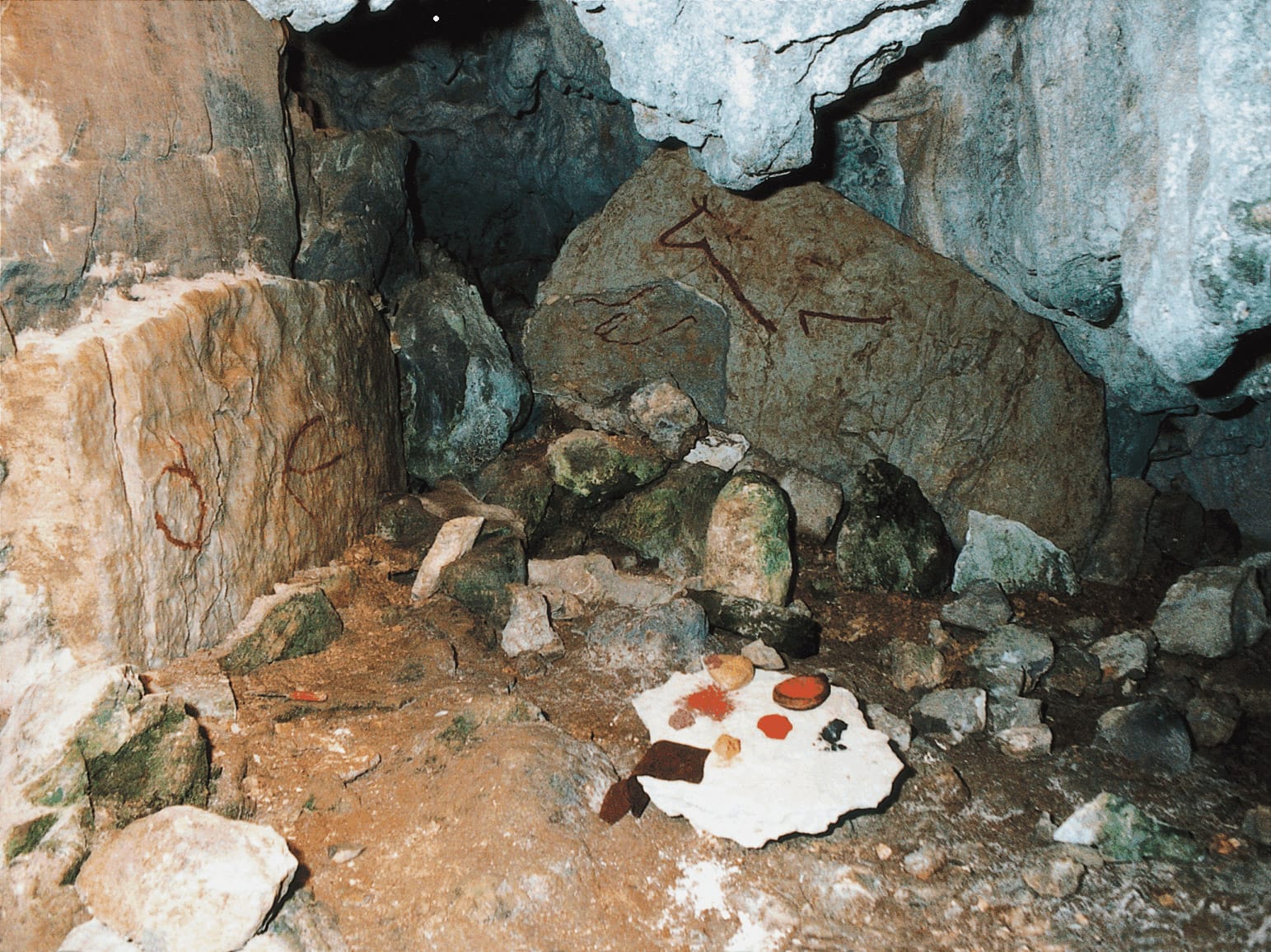
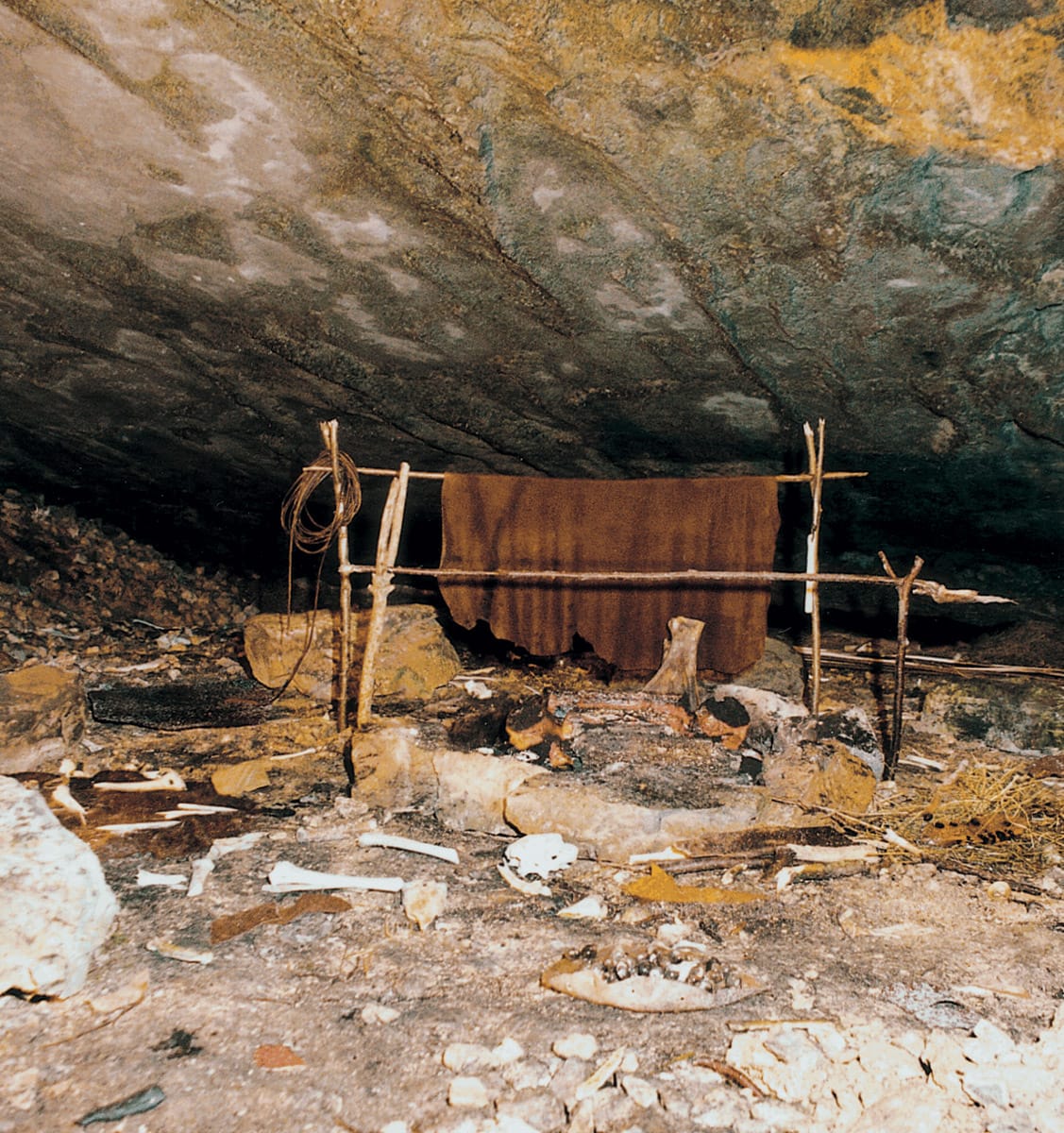
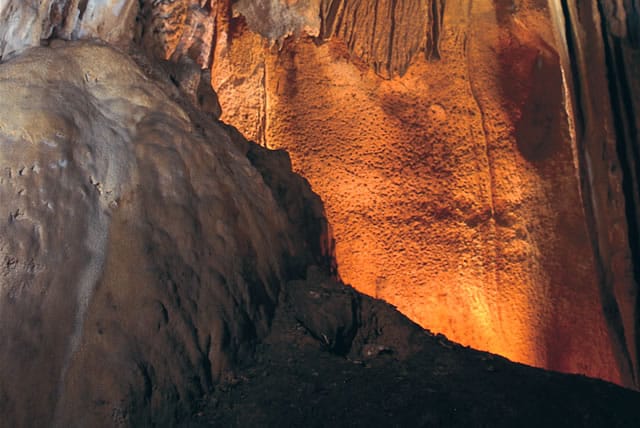
Sopeña Cave, an authentic recreation of El Salitre Cave during the Paleolithic era, allows visitors to discover what life was like in the caves of the Alto Miera region and how the Paleolithic rock art preserved inside El Salitre was painted.
|