

Covalanas Cave
Category
Zona
Ubicación
Tags
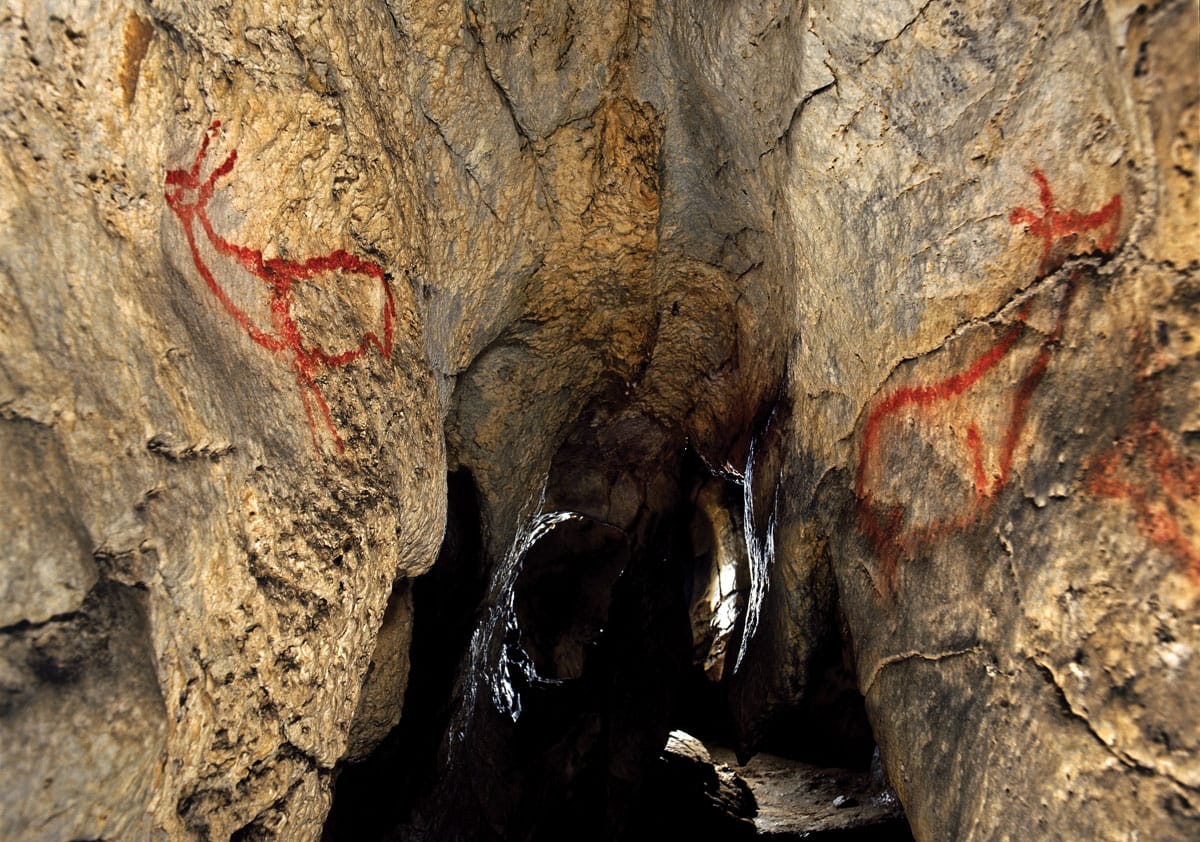
The technique used is dotting—also known as the baboso (slimy/smudged) stroke—which is also found inEl Pendo Cave. The depicted hinds, aurochs, and horse are exceptionally realistic and beautiful, as they are endowed with a sense of motion. Created 25,000 years ago, they represent the oldest examples of this pointillist art style, which consists of applying pigment to the walls using a finger or a stamp. The tour takes place along a narrow corridor, allowing visitors to view the paintings from a very close distance. They are in an exceptional state of preservation, to the extent that the artist’s own fingerprints can still be observed.
From October 21st to June 14th & September 16th to February 28th
– Monday and Tuesday CLOSED.
– Wednesday to Sunday 10:00 AM – 1:00 PM.
Tour sessions: 10:10 AM, 11:10 AM, and 12:10 PM.
The tour guide will meet you 10 minutes before the tour starts.
Maximum capacity per session: 4 people.
From June 15th to September 15th
– Monday and Tuesday CLOSED.
– Wednesday to Sunday 10:30 AM – 1:30 PM.
Tour sessions: 10:40 AM, 11:40 AM, and 12:40 PM.
The tour guide will meet you 10 minutes before the tour starts.
Maximum capacity per session: 4 people.
Information & Bookings:
942 59 84 25
reservascuevas@culturadecantabria.es
Online Bookings:
Prehistory Workshops: You can book these activities along with your cave visit by calling +34 942 598 425 or by email at reservascuevas@culturadecantabria.es
|
Estilo artístico |
Paleolithic cave art |
|
Acceso |
From Ramales de la Victoria, take the N-629 highway toward Burgos. At kilometer 188 of this road (just under 2 km from Ramales), you will find the turn-off leading to the cave’s parking lot on your left. From there, follow a 600-meter pedestrian path that climbs up to the visitor center, located at the mouth of the cave. GPS COORDINATES: 43°14’36″N, 3°27’12″W |
|
Época |
|
|
Características |
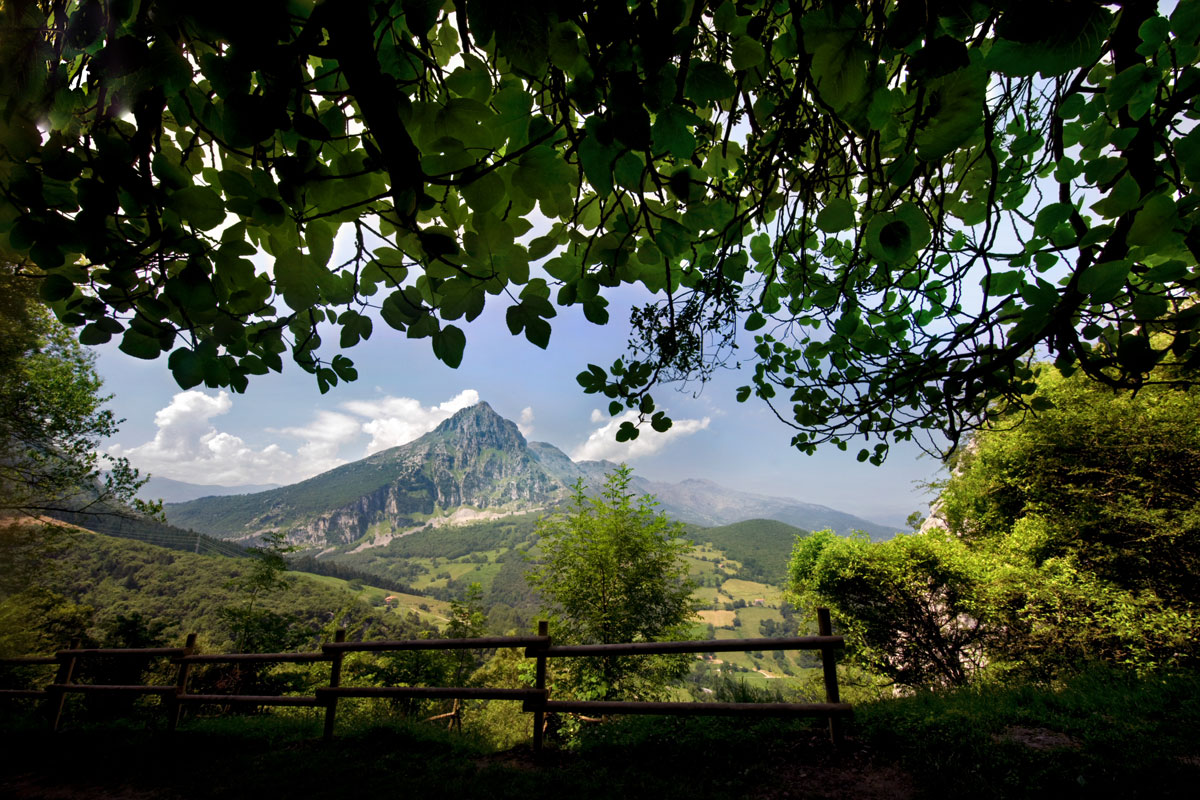
Located 2 kilometers from Cullalvera Cave and facing the San Vicente Peak, you will find the cavern of Covalanas. Declared a UNESCO World Heritage Site in 2008, this cave stands as a textbook example due to the contemporaneity and homogeneity of its rock art.
|