
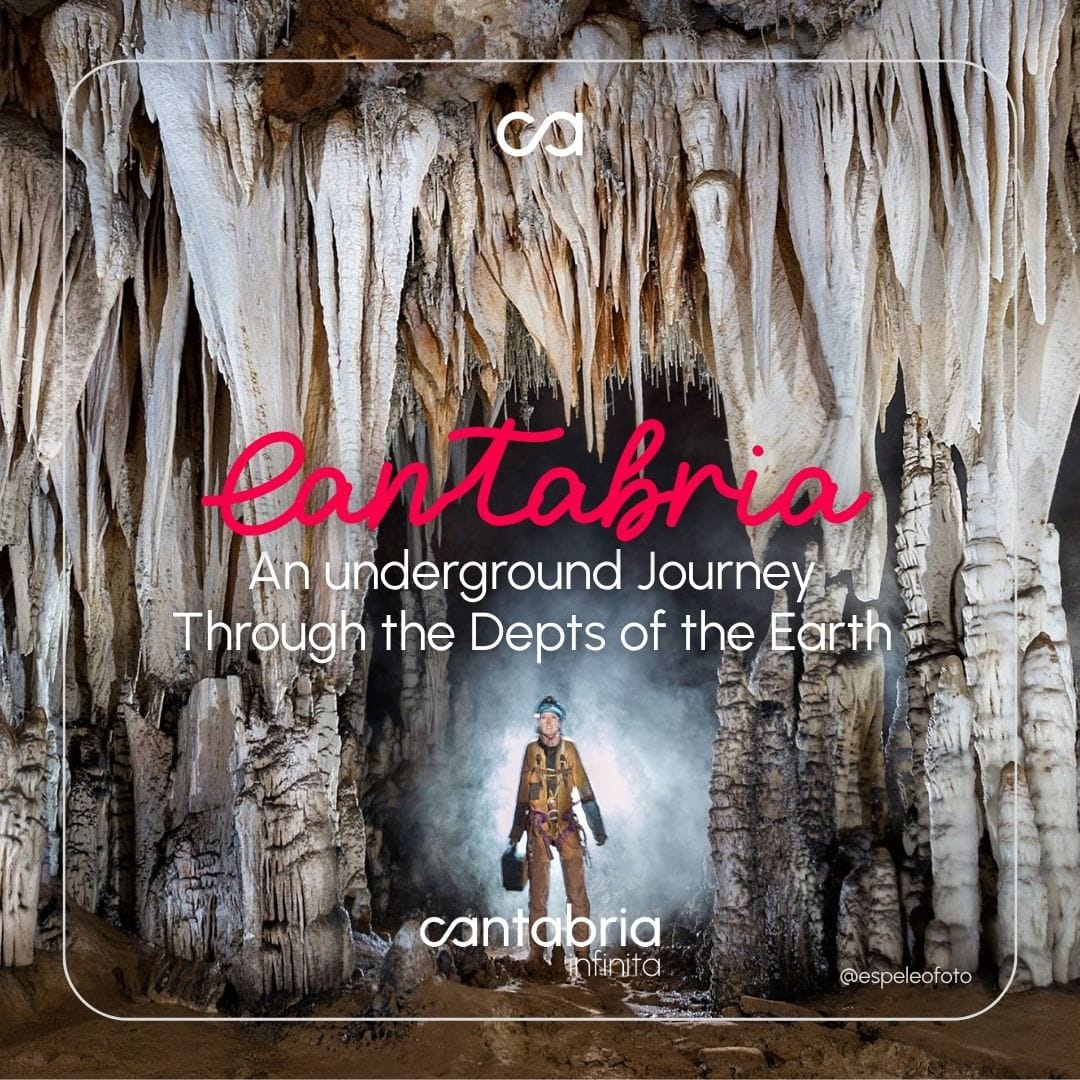

An Underground Journey Through the Depths of the Earth in Cantabria
When we think of the beauty of Cantabria, we usually picture its green valleys, rugged coastline and mist-covered mountains. But beneath that landscape lies another world entirely: an underground universe filled with history, art and mystery. Cantabria is a true paradise for archaeology and speleology enthusiasts, as well as for travellers looking for unique and unforgettable experiences.
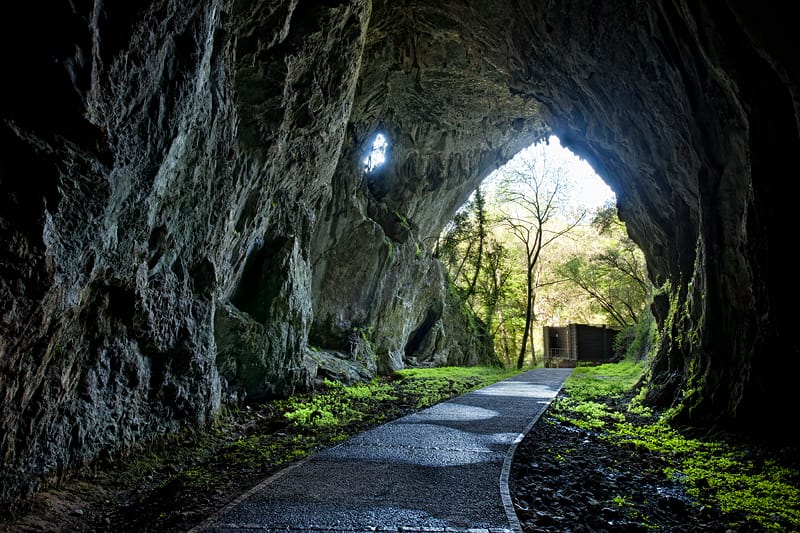
Hidden among mountains, valleys and rivers is an extraordinary heritage of caves that preserve the origins of human art and thought. Many of them have been recognised by UNESCO as World Heritage Sites. Alongside these prehistoric treasures, spectacular geological formations such as El Soplao offer visitors an incredible natural adventure. Prepare to discover an underground Cantabria where history and nature come together in the most fascinating way.
A Journey to the Origins of Art
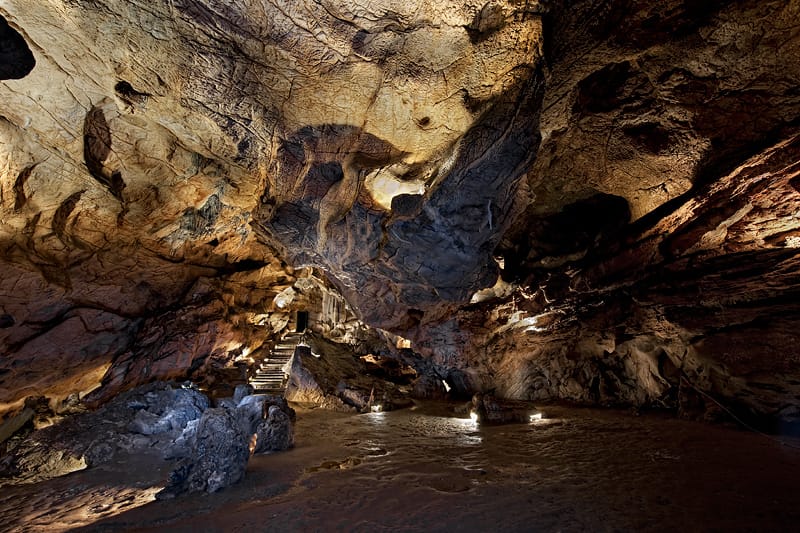
Cantabria is home to one of the world’s highest concentrations of caves containing Palaeolithic cave art. More than 60 caves preserve paintings and engravings created over 35,000 years ago. Ten of them form part of the UNESCO World Heritage Site known as the Palaeolithic Cave Art of the Cantabrian Cornice.
Each cave is a remarkable testimony to the creativity, spirituality and daily life of our ancestors. Visiting them is like travelling back in time and discovering how human imagination flourished deep underground.
From Cave to Cave: Exploring the Underground Heart of Cantabria
- Altamira (Santillana del Mar)
Known as the “Sistine Chapel of cave art”, Altamira is one of the greatest symbols of the Palaeolithic world. Although the original cave is closed to protect it, the Altamira National Museum and Research Centre features the impressive Neocave — an exact replica that allows visitors to experience the magic of the original paintings in an educational and immersive way.
- Monte Castillo (Puente Viesgo): El Castillo and Las Monedas
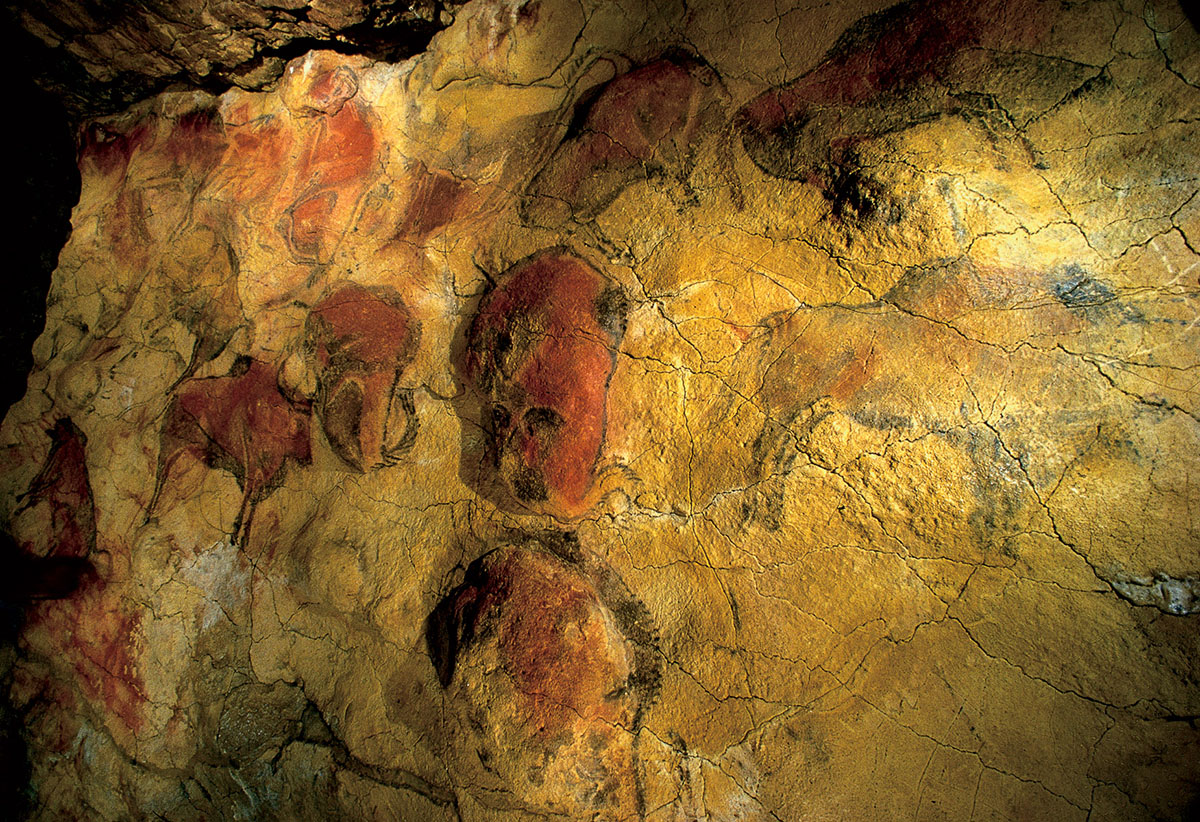
Monte Castillo houses one of Europe’s most important groups of prehistoric caves. El Castillo Cave contains some of the oldest hand paintings in the world, dating back more than 40,000 years, alongside remarkable animal figures. Las Monedas Cave combines spectacular stalactites with prehistoric engravings, creating a fascinating experience for visitors of all ages.
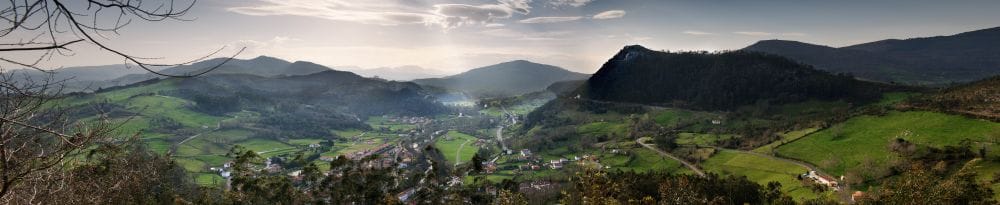
- Covalanas (Ramales de la Victoria)
Known as “the cave of the red deer”, Covalanas stands out for the elegance and movement of its paintings, created over 20,000 years ago. Surrounded by the dramatic landscapes of the Asón Valley, it offers a truly memorable experience that blends archaeology with nature.

- Hornos de la Peña (San Felices de Buelna)
A sanctuary of Palaeolithic engravings featuring horses, bison and human figures. Its intimate atmosphere allows visitors to connect closely with prehistoric art and the stories hidden within the cave walls.
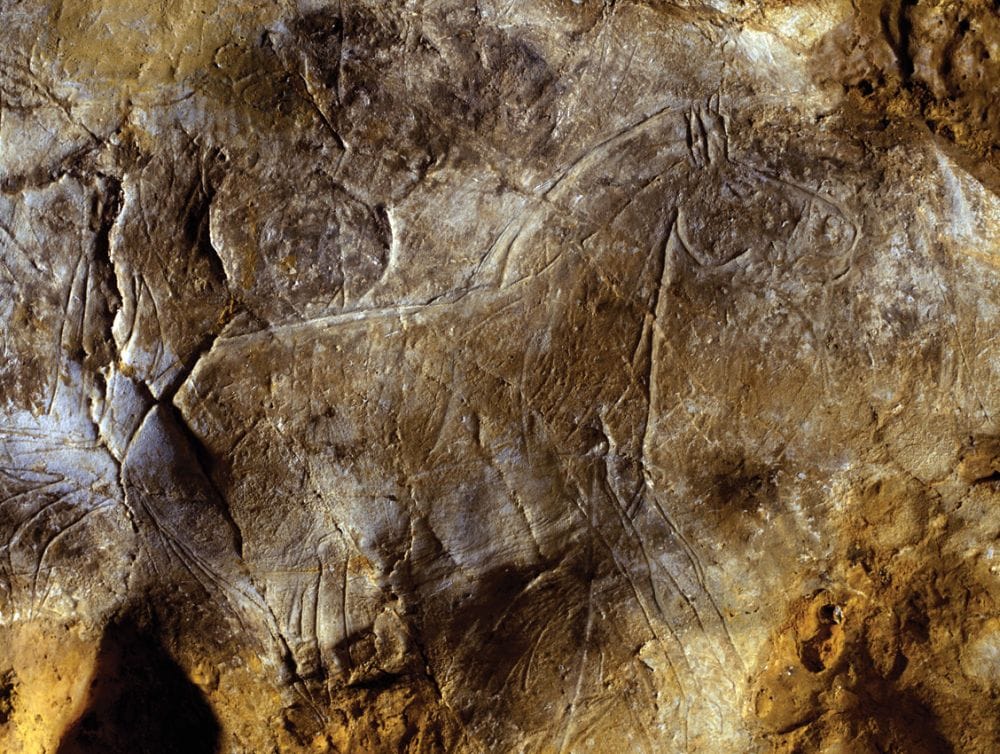
- Chufín (Rionansa)
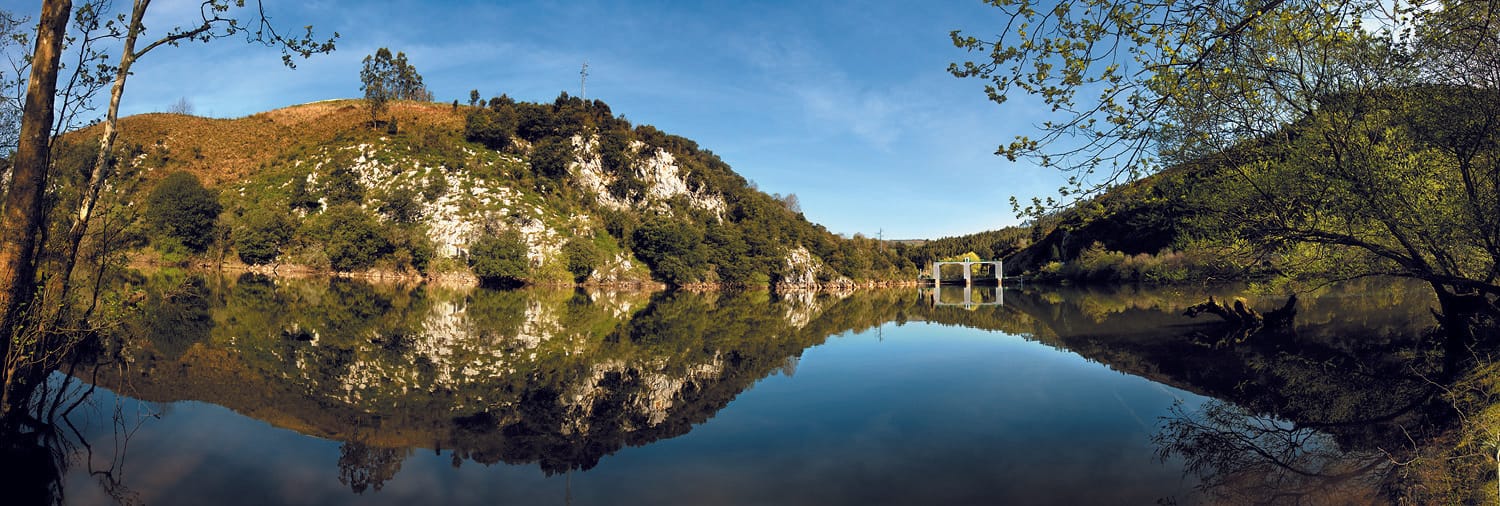
Located in the beautiful Nansa Valley, Chufín Cave combines paintings and engravings within a spectacular natural setting. Surrounded by rivers and mountains, it is one of the most atmospheric and evocative caves in Cantabria.
UNESCO Caves Closed to the Public
Cantabria is also home to other UNESCO-listed caves that are not open to visitors due to conservation or accessibility reasons. These include La Pasiega and Las Chimeneas in Monte Castillo, as well as La Garma in Ribamontán al Monte. Although access is restricted, their archaeological importance reinforces Cantabria’s status as one of Europe’s most important centres of prehistoric art.
El Soplao: Cantabria’s Geological Wonder
Just when it seems there is nothing left to surprise you, El Soplao reveals nature’s artistic side. Located between Valdáliga, Herrerías and Rionansa, this internationally renowned cave system is considered one of Cantabria’s greatest natural treasures.
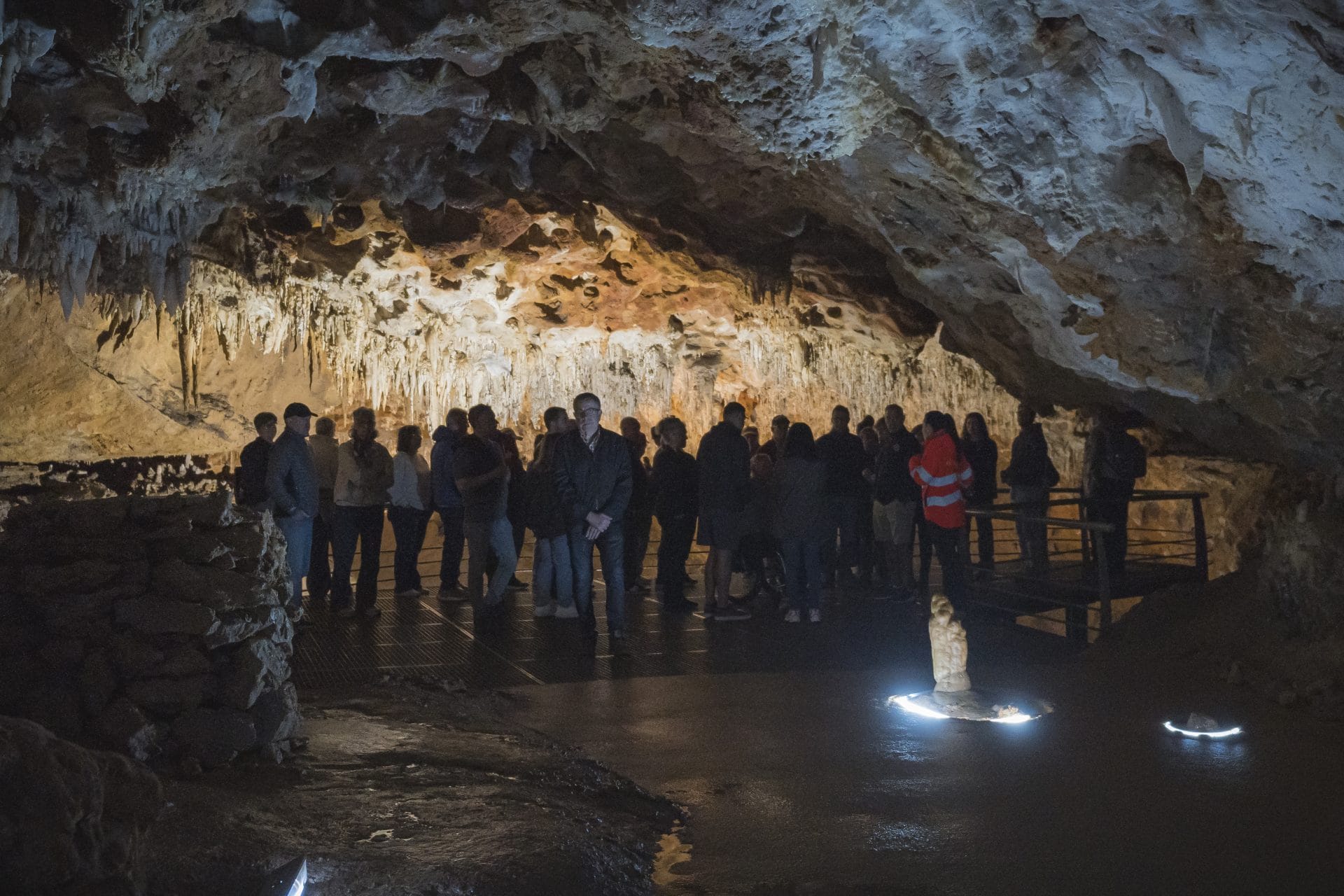
Discovered by miners in the early 20th century, El Soplao combines spectacular geological formations with the region’s mining heritage. Its eccentric stalactites, crystalline structures and immense galleries create an almost unreal landscape full of colour and light.
Visitors can choose between different types of experiences, from guided tours to adventure caving activities and mining via ferrata routes, making it perfect for both families and thrill-seekers alike.
Why Visit the Caves of Cantabria?
- A Unique Cultural Experience
Discover some of the oldest artistic expressions created by humankind and explore the origins of human creativity.
- Incredible Natural Landscapes
The caves are located in breathtaking surroundings of mountains, valleys, forests and rivers, making every visit even more special.
- Perfect for Families and Curious Travellers
These visits combine history, adventure and education, making them ideal for visitors of all ages.
- An Ideal Complement to Your Trip
After exploring the caves, visitors can enjoy charming villages, hiking routes and Cantabria’s renowned gastronomy, including local cheeses, sobaos, anchovies and traditional mountain dishes.
- Experiences All Year Round
Thanks to their stable temperatures and guided tours throughout the year, Cantabria’s caves are a fantastic destination in every season.
Discover Cantabria from Within
Cantabria is not only admired on the surface — it is explored from within. Beneath its mountains and valleys lies a hidden world where art, history and nature have coexisted for thousands of years. From UNESCO World Heritage caves to the geological magic of El Soplao, this underground journey offers an unforgettable experience at any time of year.
Discover the hidden side of Cantabria and let its underground wonders tell you stories that have endured for millennia.