

Altamira Cave
Category
Zona
Ubicación
Tags
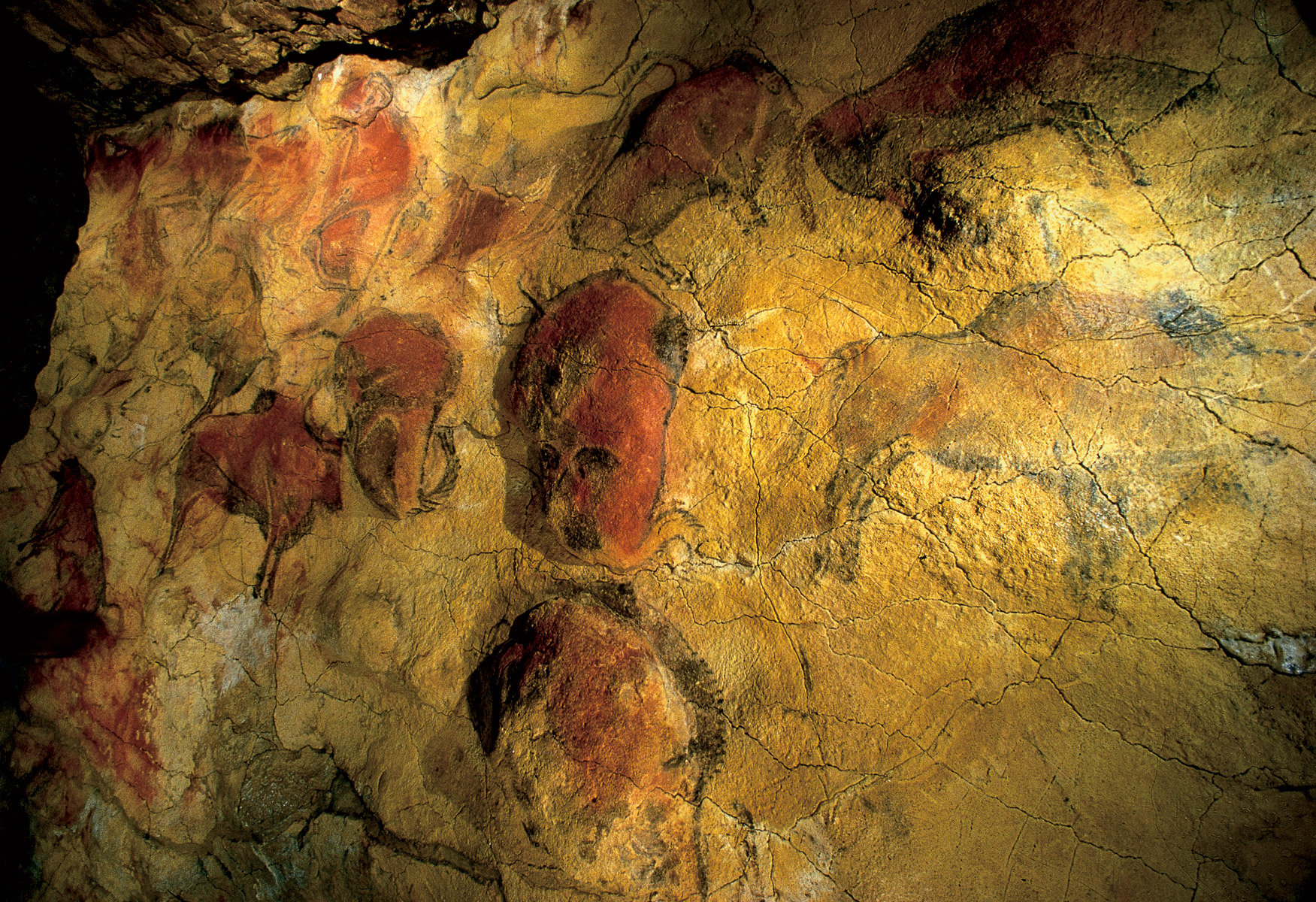
The cavity was discovered in 1875 by M. Sanz de Sautuola, who carried out excavations inside it. Furthermore, between 1875 and 1879, he found the large black quadrangular signs at the back of the cave. In 1879, during Sautuola’s excavations, his daughter María discovered the famous polychromes. In 1880, Sautuola published the results of his research, triggering from that moment on a famous controversy regarding the authenticity of the paintings. The discovery of new rock art sites in France at the end of the 19th century led the scientific community to definitively recognize the cave in 1902.
Throughout the 20th century, the cave was investigated by various archaeologists, notably H. Breuil and H. Cartailhac, who published a study in 1906; H. Alcalde del Río, who analyzed the paintings and excavated the vestibule (published in 1906); and H. Obermaier and H. Breuil, who published in 1935 what remains the most comprehensive study of the cave to date. Subsequently, many specialists have researched different aspects of Altamira, including the prominent study of the art conducted by J. González Echegaray in 1985.
In the vestibule, Upper Solutrean and Lower Magdalenian layers have been documented, yielding significant examples of portable art, such as decorated batons of command (bastones de mando) and engraved shoulder blades (omóplatos). Altamira is exceptionally rich in Paleolithic art, which is distributed throughout almost the entire cave, with the highest concentrations found in the vestibule and the so-called cola de caballo (the final gallery of the cave).
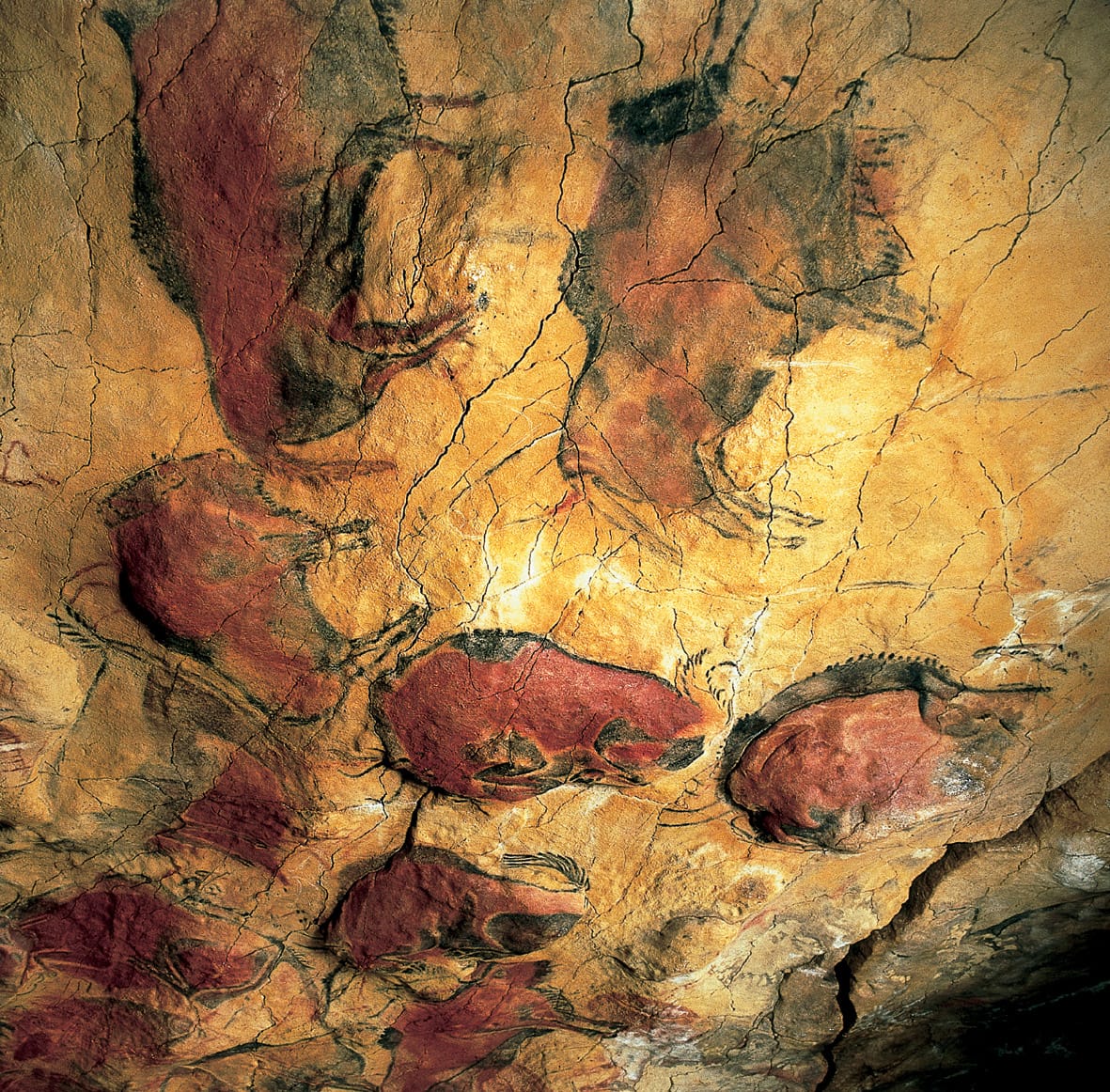
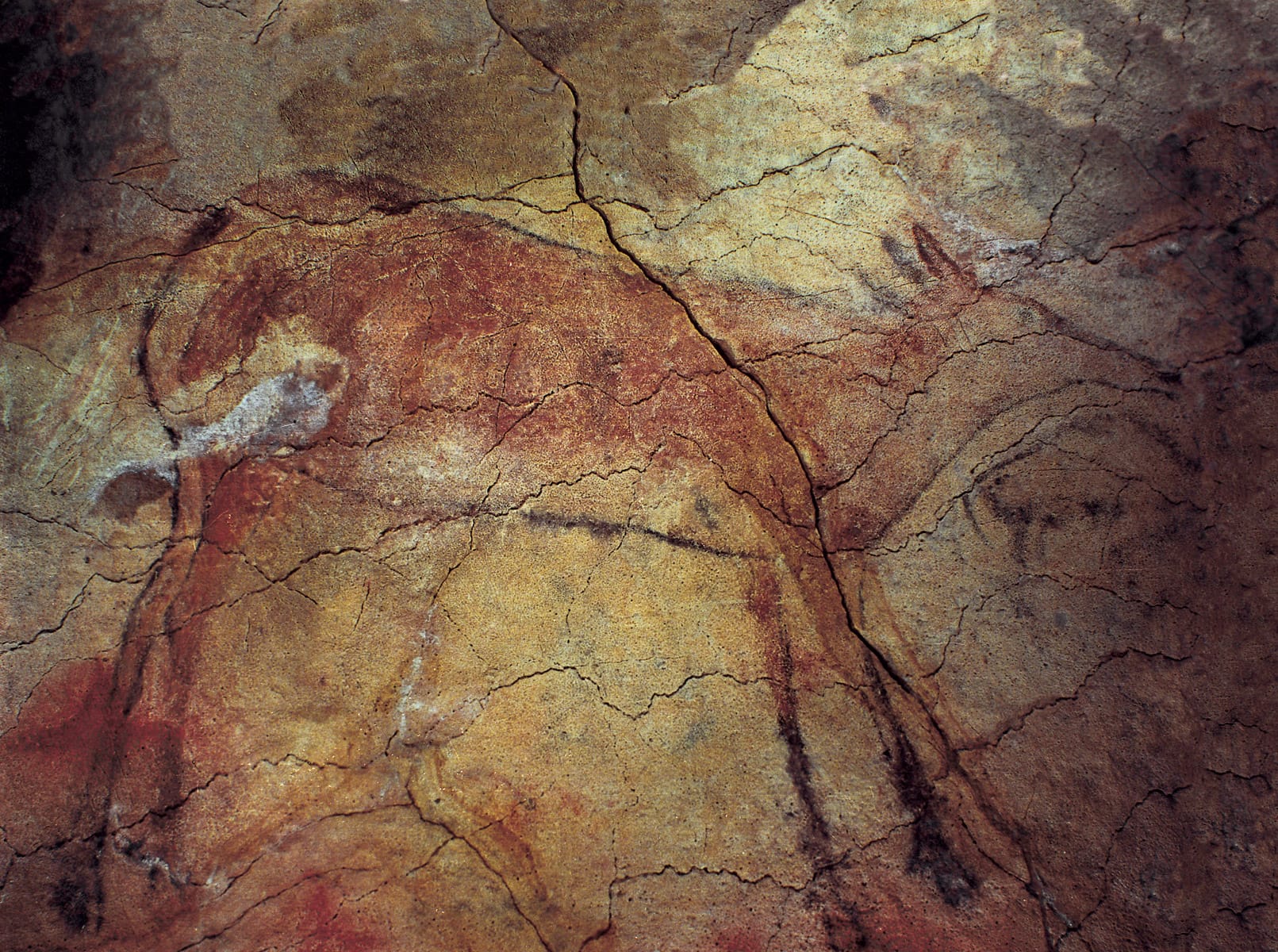
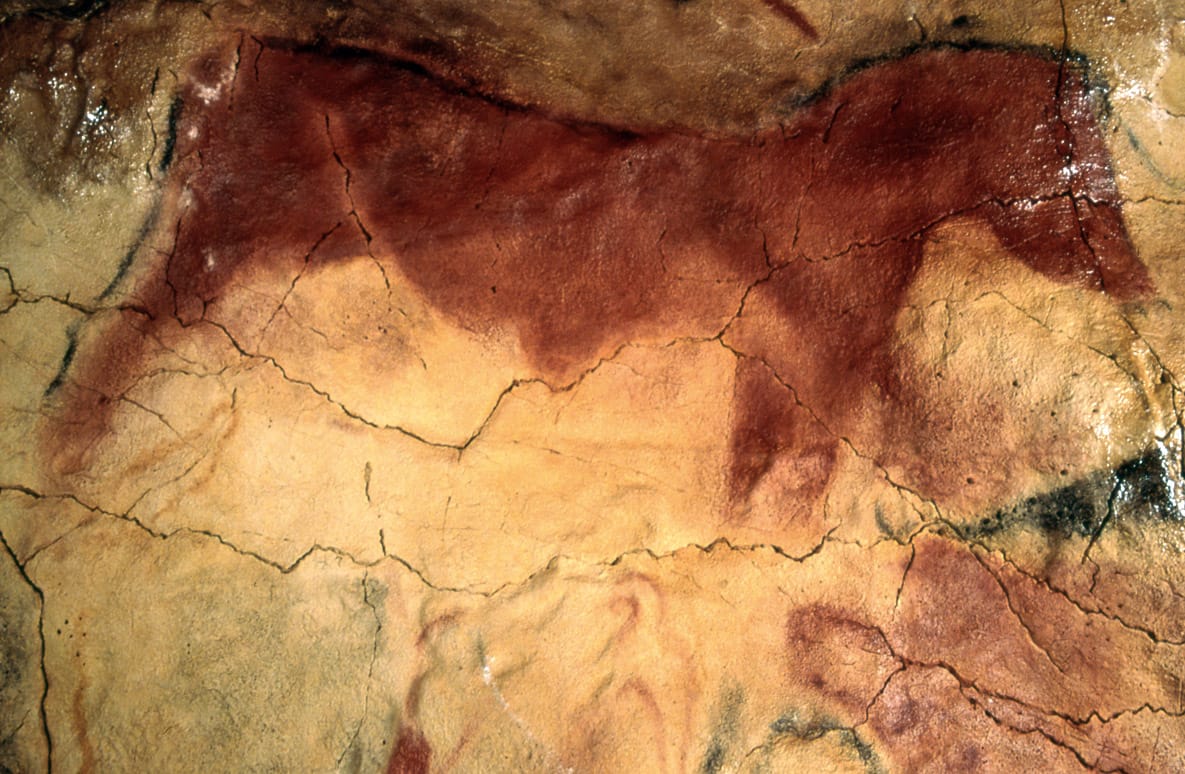
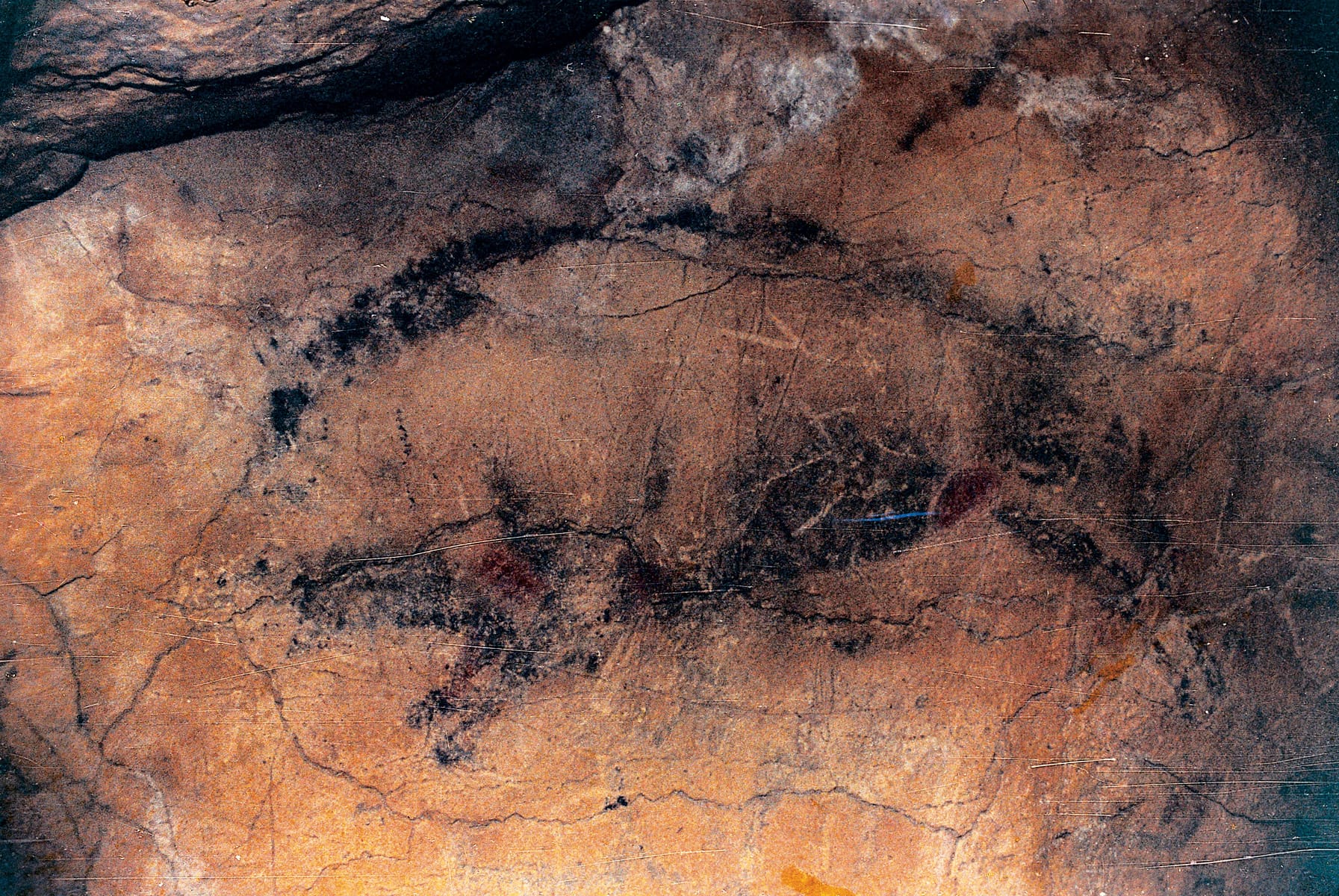
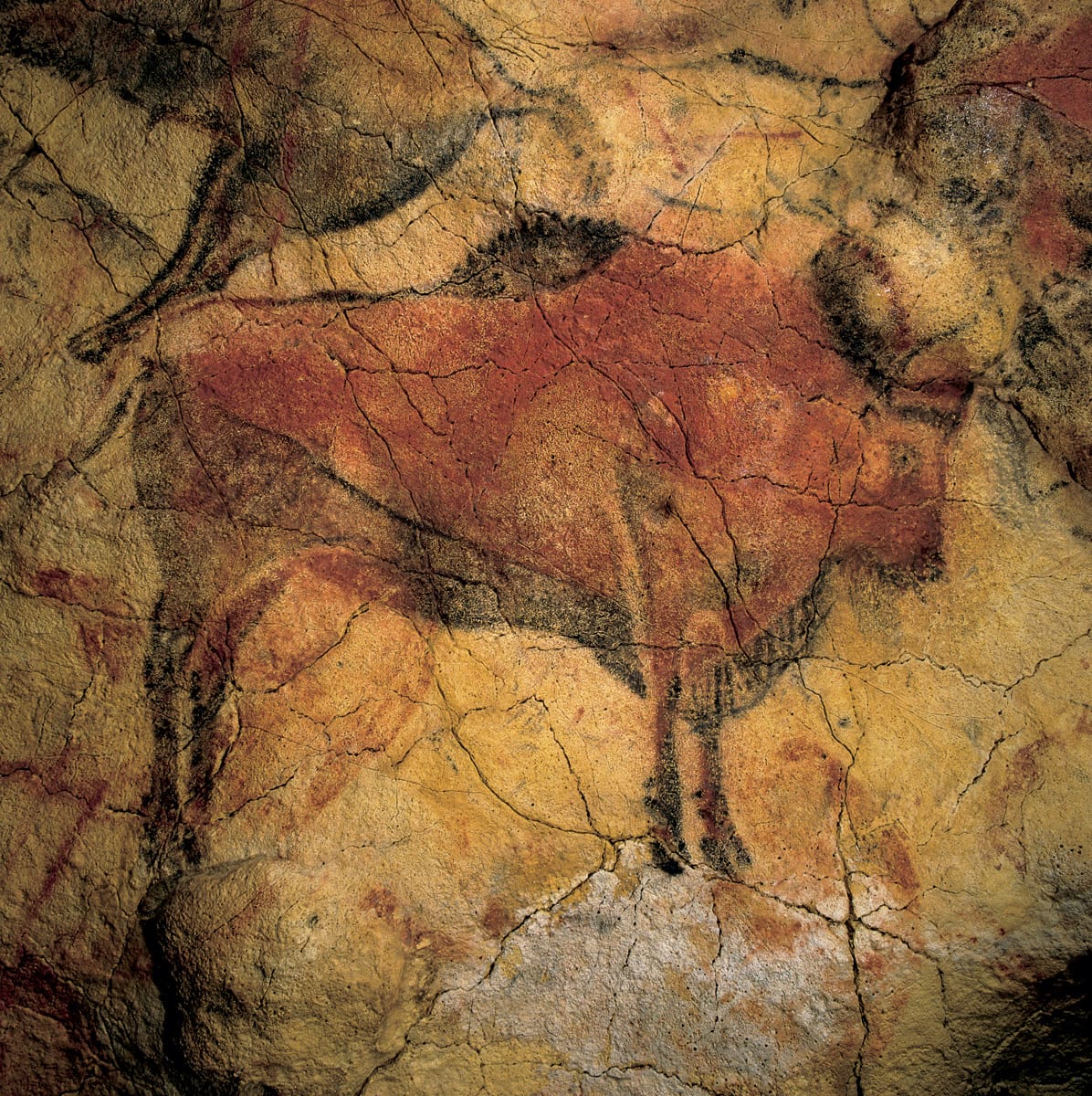
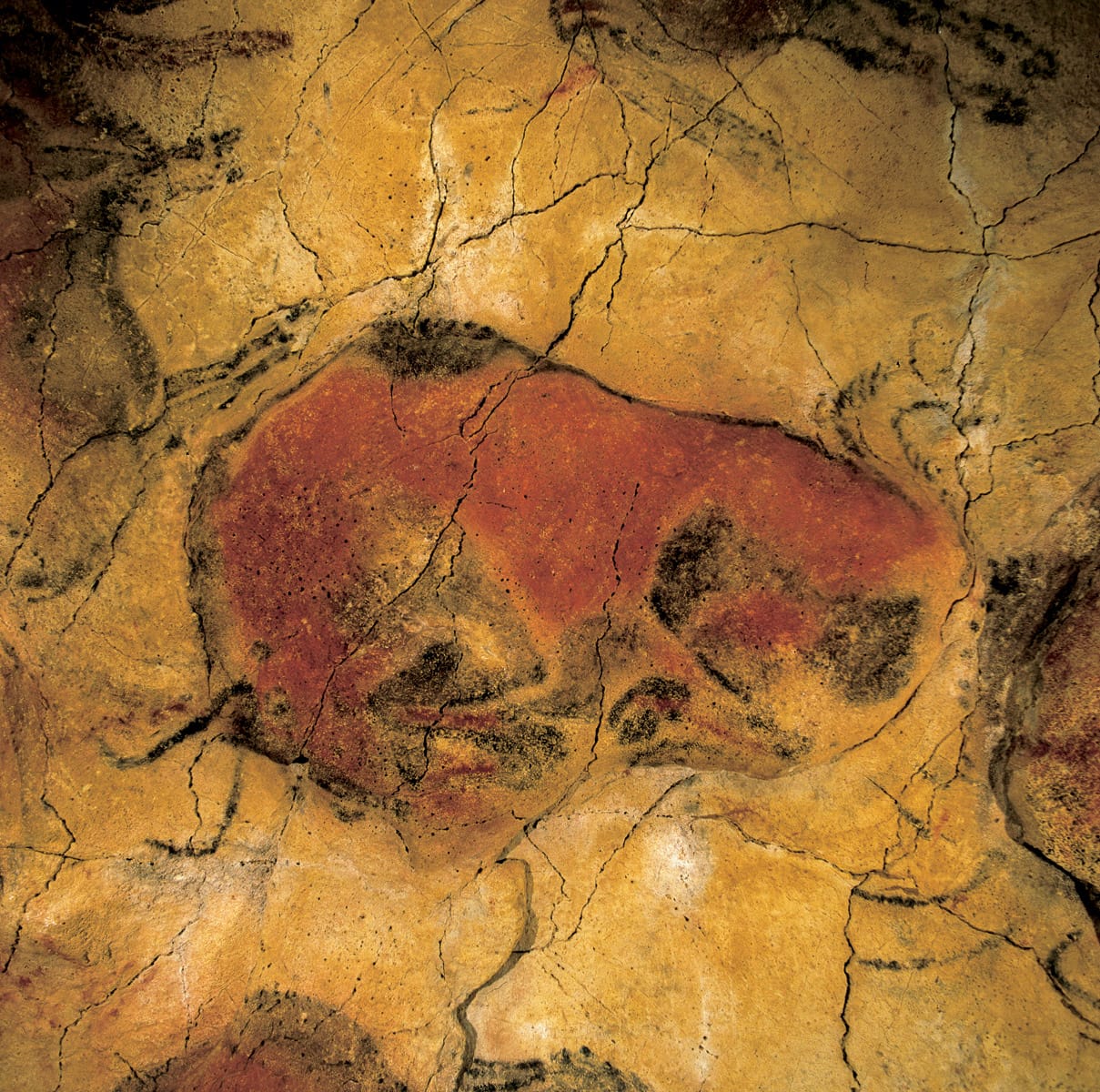
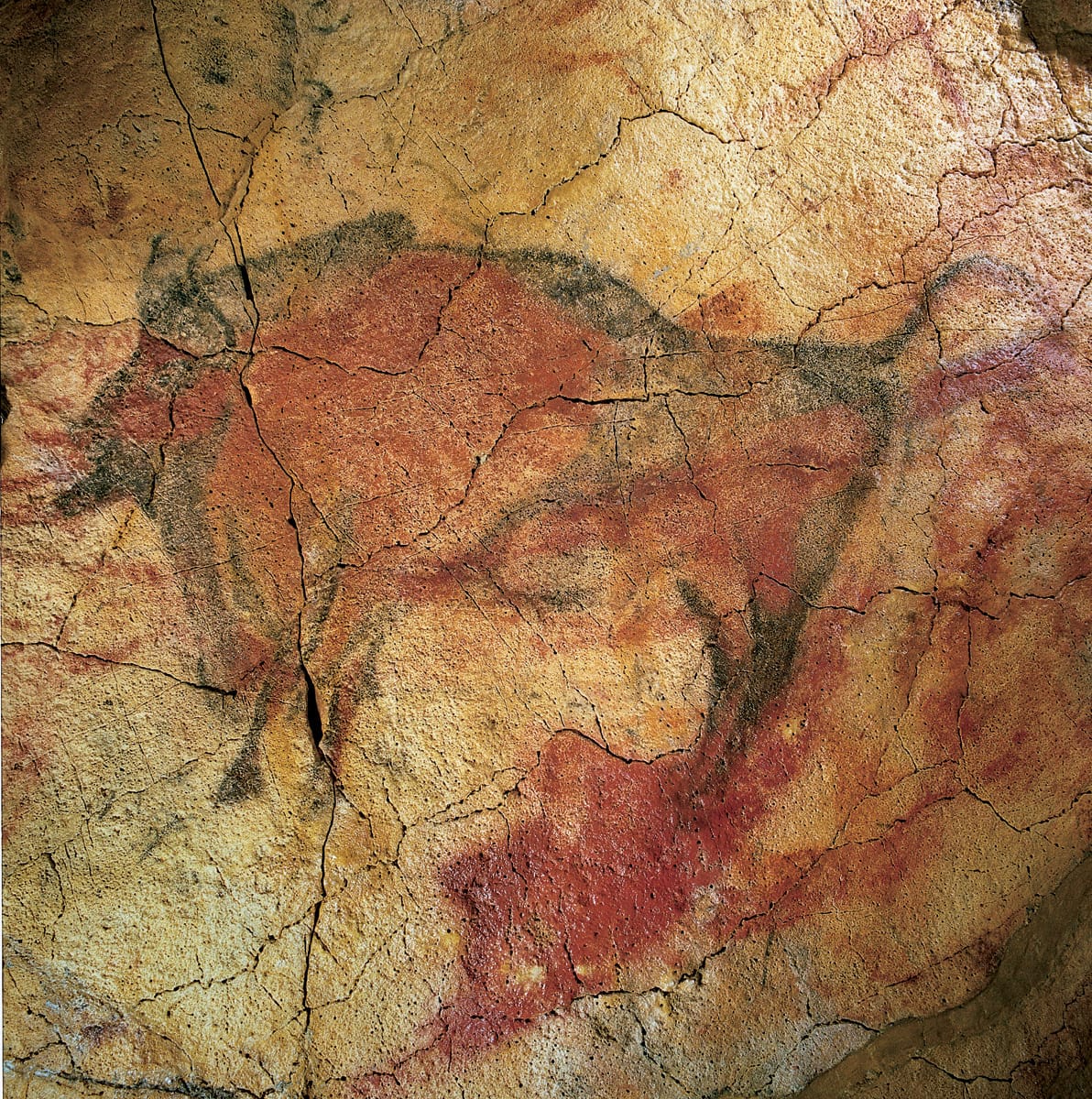
The Polychrome Chamber—undoubtedly the most famous panel of Paleolithic art in the world and often dubbed the ‘Sistine Chapel of Quaternary art’—contains a grand assemblage of around twenty large bisons, which are generally bichrome and engraved. Alongside them, and executed using the same techniques, are a large hind, two horses, and several signs, including large red claviforms with a central protuberance. The chamber also features several purple negative hand stencils, various black horses and bisons, and an extensive collection of engravings depicting deer, signs, and several anthropomorphs.
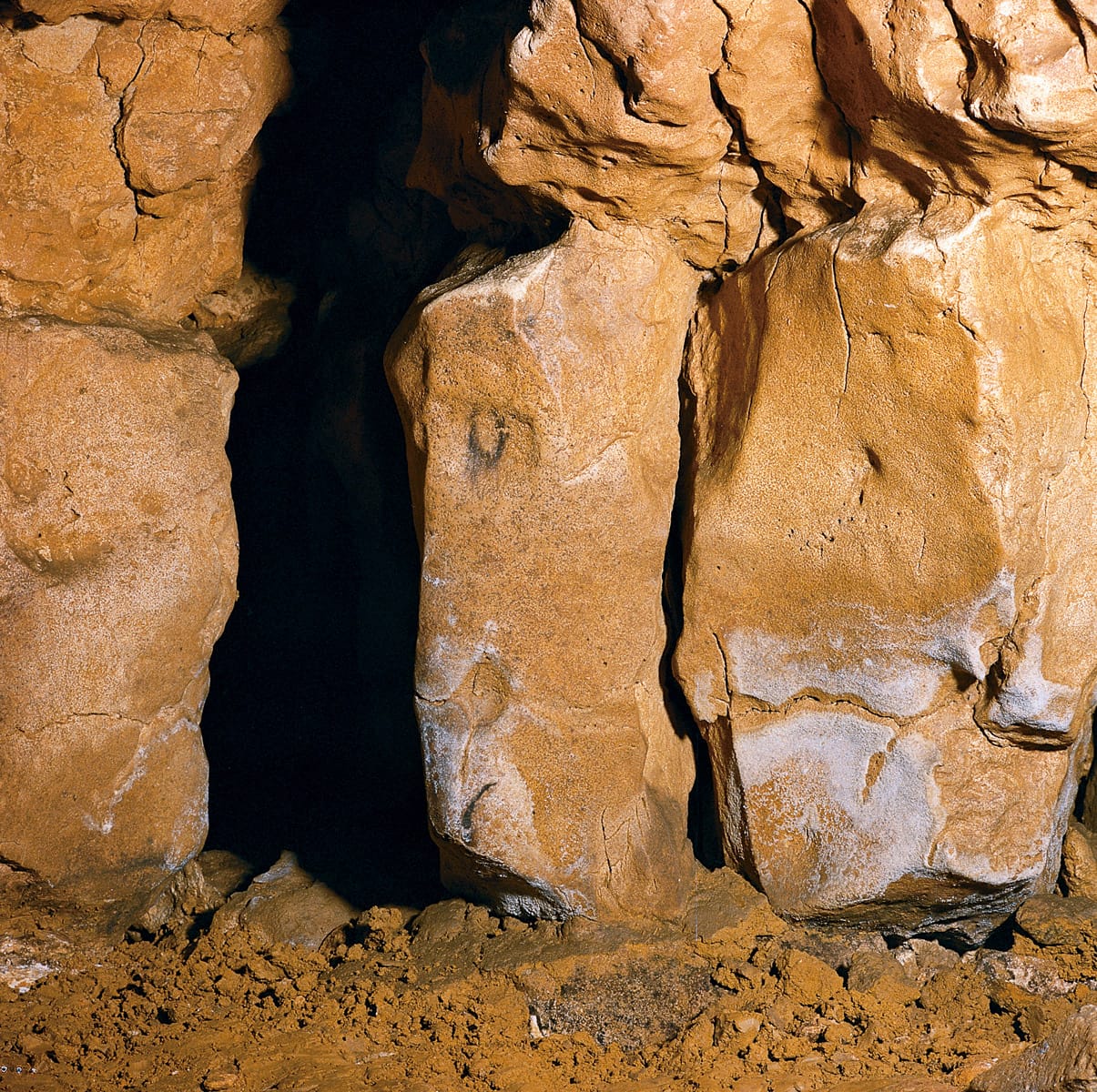
In the interior galleries and the central chamber, naturalistic engravings—mainly representing deer and horses—as well as black paintings of animals and signs are highly frequent. In the section known as the cola de caballo (horsetail), the famous ‘masks’ stand out, which were fashioned by utilizing natural rock protrusions and painted in black. Additionally, there is a large group of black quadrangular signs, incised hinds, and several other groups of naturalistic engravings and black paintings.
Altamira contains sanctuaries from various periods. The oldest motifs appear to be those in the deeper interior of the cavity, dating from the Upper Solutrean to the Archaic Magdalenian. The polychromes date back to around 14,500 years Before Present (BP), corresponding to the Lower Magdalenian.
|
Estilo artístico |
Paleolithic cave art |
|
Acceso |
The cavity is located within the grounds of the Altamira National Museum and Research Center, situated in the town of Santillana del Mar. |
|
Época |
|
|
Características |
Altamira Cave itself is not open to the general public; instead, visitors can tour the replica, known as the Neocueva (Neocave), located inside the Altamira National Museum and Research Center, just a few meters from the original cavity. The original Altamira Cave maintains a strictly controlled and highly limited public access program. This visitation policy, approved by the Museum’s Board of Trustees, allows a maximum of only five people per week (260 people per year). In compliance with health guidelines for COVID-19 prevention, access to Altamira Cave is currently managed through a prior appointment system via a waiting list. At this time, the waiting list is closed, and no new requests are being accepted. Enlace para más informacion: Official Website of the Altamira Museum
|